what the security key for network serves as the foundational cornerstone for modern digital connectivity, protecting our private virtual spaces from the relentless tide of unseen external intrusions. Beneath the sleek plastic shells of our broadband hardware, physical factory labels whisper the initial cryptographic combinations that keep digital chaos at bay, establishing an invisible fortress around every residential router in operation today.
As we navigate through the intricate pathways of administrative web portals, operating system registries, and mobile device settings, unearthing these vital credentials transforms from a frustrating mystery into an empowering journey of technological mastery. By understanding how to retrieve, reset, and elevate our wireless access protocols, we do more than simply connect devices; we forge a resilient, secure digital ecosystem capable of supporting our daily lives with unwavering reliability and grace.
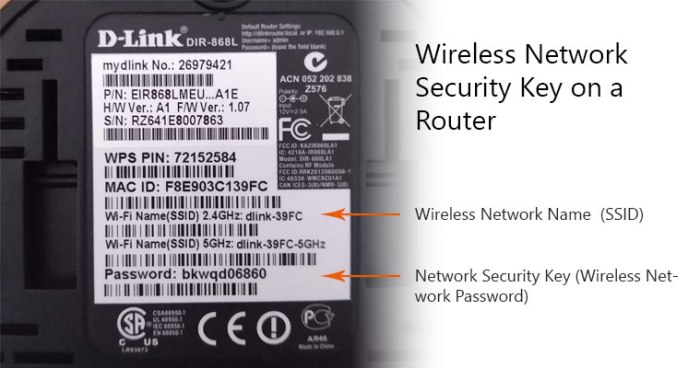
Unearthing the digital padlock that protects your home router from unwelcome digital trespassers requires checking physical labels.: What The Security Key For Network
Source: lazyadmin.nl
Modern connectivity weaves an invisible web through our living spaces, anchoring our daily digital lives to a physical pulse resting quietly on a shelf or desk. Beneath the sleek plastic casing of this essential gateway lies a vital frontier of personal cybersecurity, waiting silently to be discovered through tangible exploration rather than complex virtual navigation. Every home network relies on a foundational layer of protection inscribed directly onto the hardware, establishing a secure boundary against outside interference.
Unlocking your digital fortress starts with knowing what the security key for network protection truly is, much like deciphering a transparent relay company pricing model to build trust and scale operations efficiently. This invisible digital shield guards your precious data streams against intruders, empowering you to navigate cyberspace safely and conquer new horizons with absolute confidence.
Securing a domestic cyberspace begins with the deliberate act of turning over the broadband equipment to examine its underbelly, where manufacturers permanently affix the blueprints of digital entry. This physical inspection transforms abstract network security into a concrete reality, bridging the gap between hardware manufacturing and everyday online safety.
Physical inspection of manufacturer identification tags on broadband hardware
Unveiling the security credentials requires lifting the router and peering into the shadowed contours of its underside, where the manufacturer places the definitive authentication plaque. This adhesive label or directly printed legend serves as the master keyholder for the device, typically positioned within a recessed area to prevent accidental peeling or fading from surface friction. The sticker layout is methodically organized, presenting a stark contrast of bold black typography against a silver, white, or matte background designed to endure years of thermal exposure.
A mental snapshot of this hardware landscape reveals a standardized architectural design across the manufacturing industry. Directly in the center or along the upper margin of the lower casing, the eye encounters the official logo of the telecommunications brand, followed immediately by the precise model number and a unique hardware identification sequence known as the MAC address. Below these administrative metrics, the label designates the factory-assigned Wi-Fi network name, historically referred to as the Service Set Identifier, paired directly with the corresponding pre-shared network key.
To aid users in moments of low lighting or awkward positioning, manufacturers frequently print these critical alphanumeric strings alongside scannable QR codes, allowing smartphones to bridge the physical and digital divide instantaneously.
Default alphanumeric combinations serving as initial barriers against unauthorized wireless intrusion
The randomized sequence of letters, numbers, and symbols printed on the hardware label functions as the primary fortress wall defending a household from digital encroachment. These factory-generated passwords are not chosen at random by human whim, but are instead formulated through sophisticated cryptographic algorithms designed to maximize entropy and resist brute-force attacks from nearby malicious actors. When a device attempts to handshake with the router for the first time, this complex string acts as a mathematical handshake verifying authorized entry into the local area network.
Relying solely on these initial factory credentials introduces vulnerability over time, as automated scanning tools deployed by modern cybercriminals often recognize predictable manufacturer patterns.
The strength of a network boundary depends entirely on the transition from static factory defaults to dynamic, user-controlled cryptographic barriers.
Transitioning from the printed label to a personalized passphrase ensures that the structural integrity of the home network remains impenetrable against evolving digital threats.
Comparative analysis of default router credentials across major hardware manufacturers
Understanding how different technology corporations structure their initial security parameters provides valuable context for network administrators managing diverse hardware environments. The following table Artikels the standard credential formats utilized by four prominent global networking brands.
| Manufacturer Brand | Default IP Address / Access URL | Typical Username | Default Password Format |
|---|---|---|---|
| Netgear | routerlogin.net / 192.168.1.1 | admin | Random 8-character word paired with numbers (e.g., eagertiger42) |
| TP-Link | tploginname.net / 192.168.0.1 | admin / varies | Printed 8-digit numeric or alphanumeric PIN on bottom sticker |
| ASUS | router.asus.com / 192.168.50.1 | admin | Admin or customized alphanumeric string unique to device serial |
| Linksys | 192.168.1.1 | admin (blank on newer models) | Custom 8-character alphanumeric key or serial-based password |
Navigating through administrative portal gateways via web browsers unlocks the hidden vault where wireless authentication credentials reside.

Source: ctfassets.net
Stepping beyond the physical confines of hardware labeling, the digital realm of your home network offers a sophisticated command center accessible through any standard web browser. This virtual bridge connects your daily device usage directly to the firmware orchestrating your household connectivity, revealing the intricate blueprints of your digital environment. Through careful navigation of browser address bars and administrative interfaces, network administrators gain total transparency over every connected node, establishing an empowered position from which to fortify their personal cyber sanctuary.
Unlocking this central control panel requires initiating a secure dialogue between your local machine and the networking hardware itself. By opening your preferred web browser, you cast a direct line of communication across your local area network straight to the router’s embedded operating system. This journey relies entirely on entering specific numeric sequences known as gateway addresses, which act as precise geographic coordinates in the vast expanse of cyberspace.
Once entered, the browser renders a secure login screen, presenting the gateway to your network’s most sensitive configurations and security keys.
Accessing hardware dashboard interfaces through default internet protocol addresses
Reaching the administrative dashboard demands a deliberate sequence of actions executed through your computer or mobile device connected to the active local network. You must first ensure your device communicates with the router, either via a stable Wi-Fi signal or an active Ethernet cable, before interacting with the browser interface. Locate the browser’s address bar—the topmost text field typically reserved for web domains—and prepare to input the specific numerical gateway sequence assigned to your hardware manufacturer.
This process bypasses standard internet traffic entirely, routing your query locally to the physical device residing in your home.
Securing your wireless router requires a network security key, much like what is a digital ad agency builds strategic brand fortitudes to protect online visibility. This vital encrypted password acts as an impenetrable digital shield, illuminating a path toward safe connectivity. By guarding your invisible cyberspace access barriers, you ultimately preserve total peace of mind for every connected household device.
Entering the correct numeric sequence immediately prompts the browser to fetch the login portal hosted directly on the router’s internal flash memory. Visualizing this interaction helps contextualize the data flow: picture a digital key sliding smoothly into a hidden brass tumbler, instantly illuminating a polished control deck filled with real-time diagnostic dials, traffic meters, and configuration menus. Users must recognize that these numeric portals vary by brand, requiring precise inputs to avoid connection timeouts or error pages.
Successfully traversing this digital threshold grants absolute oversight of connected devices, firmware update statuses, and the exact cryptographic strings securing your wireless airspace.
To successfully execute this hardware login procedure, adhere to the following sequence of technical operations:
- Open any modern web browser on a device currently linked to your home local network.
- Click directly into the top browser address bar, completely clearing any existing text or URLs present.
- Type the exact numerical default IP address corresponding to your specific router manufacturer without adding prefixes like http://.
- Press the Enter key on your keyboard to dispatch the local routing request directly to the physical hardware device.
- Observe the sudden appearance of the router authentication login prompt demanding administrative credentials.
Securing network infrastructure through robust administrative credential modifications
Factory-preset credentials printed on hardware stickers serve merely as temporary keys designed for initial setup convenience, representing a massive vulnerability if left unchanged. Leaving default usernames and passwords active invites automated botnets and malicious actors to effortlessly hijack your network management portal using publicly available database records. Transitioning toward a hardened security posture requires replacing these predictable factory defaults with highly complex, custom passphrases that defy brute-force decryption attempts.
This proactive measure transforms an easily penetrable digital front door into an impenetrable fortified gate, safeguarding your entire connected household from unauthorized administrative tampering.
Modern cybersecurity standards dictate that robust custom authentication phrases must incorporate a diverse blend of uppercase letters, lowercase letters, numerical digits, and special typographic symbols. For instance, transforming a weak default password like admin123 into an intricate passphrase drastically multiplies the computational time required for unauthorized decryption tools to crack the code. Furthermore, administrators should routinely update these credentials every few months to mitigate potential risks associated with credential stuffing or interior network espionage.
Implementing these rigorous protocols ensures that only authorized personnel maintain sovereign control over the network’s foundational security parameters.
Consider the following critical directive when updating your network gateway credentials:
Never retain factory-default administrative usernames and passwords, as they represent the single most common vulnerability exploited during unauthorized router compromises.
Your network security key acts as the digital fortress safeguarding your connection, much like how frostbytes.tech products services empowers modern enterprises with robust infrastructure solutions. Unlocking this cryptographic passcode grants you safe passage into the digital realm, ensuring your daily data transmissions remain impervious to outside threats while maintaining total network integrity.
Standard administrative gateway credentials across major hardware manufacturers
Different networking hardware vendors utilize distinct IP address architectures and preset credentials to structure their administrative dashboards. Understanding these standardized industry variations simplifies the initial login process, allowing administrators to swiftly locate and modify critical security parameters regardless of the hardware brand installed in their residence.
| Manufacturer | Standard Gateway | Default Username | Default Password |
|---|---|---|---|
| ASUS | 192.168.50.1 | admin | admin |
| Netgear | 192.168.1.1 | admin | password |
| TP-Link | 192.168.0.1 | admin | admin |
| Linksys | 192.168.1.1 | admin | admin |
Operating system settings menus store forgotten digital credentials deep within previously established connection history registries

Source: digitdefence.com
As we continue our journey through the architecture of modern cybersecurity, we often find ourselves searching for keys we previously misplaced in the digital labyrinth of our own devices. Long after the initial setup of a home network, the operating system quietly records every handshake, every passphrase, and every secure connection, archiving them in internal ledgers. These silent archives act as reliable digital memory banks, storing the exact character strings required to bridge the gap between our machines and the invisible airwaves of the internet.
Uncovering these hidden records does not require advanced hacking tools or external software suites. Instead, it relies on understanding the built-in pathways that desktop environments use to manage network profiles. Whether utilizing the expansive menus of Microsoft Windows or navigating the secure vaults of Apple macOS, the operating system maintains a meticulous ledger of past handshakes. By following the precise navigational architecture designed into these environments, administrators and home users alike can extract their forgotten keys with absolute precision, transforming an invisible string of security protocols into visible, accessible text.
Windows Network Profile Properties Navigation Procedures
Microsoft Windows maintains a historical ledger of every Wi-Fi network your machine has ever trusted, saving the corresponding cryptographic phrase deep within its command and configuration frameworks. Accessing this information requires traversing through layered system menus, transitioning from general network settings down to specific security properties where the plaintext string finally reveals itself. The process demands deliberate navigation through graphical interfaces designed to protect yet disclose system-level credentials upon proper user authentication.
The navigational progression through the Windows operating system network properties requires executing a sequence of precise interface interactions to expose the hidden character strings:
- Open the main system configuration interface by pressing the Windows key combined with the letter I on your keyboard, then select the Network and Internet category from the primary dashboard.
- Scroll down to locate and click upon the Advanced network settings option to expand the full array of available connection management tools.
- Navigate directly into the Change adapter options panel, which opens a classic control panel window displaying all active and historical network interface cards.
- Locate your active wireless network connection icon, right-click directly on the graphical representation, and choose the Status option from the context menu.
- Click on the Wireless Properties button located in the center of the status window, then immediately transition to the Security tab within the newly opened property sheet.
- Locate the input field labeled Network security key, and check the box directly beside the Show characters option to instantly decode and display the hidden alphanumeric string.
System registries and profile caches permanently retain previously authenticated keys to ensure seamless reconnection capabilities, acting as silent repositories for your digital identity.
MacOS Keychain Access Credential Retrieval Methods
Apple macOS approaches credential storage through a centralized, highly encrypted vault known as the Keychain, which safeguards sensitive data ranging from web browser autofills to system-level Wi-Fi authentication phrases. When a Mac connects to a wireless router, the operating system deposits the corresponding security key into this system keychain, locking it behind user account credentials or administrative authorization. Retrieving this forgotten information involves launching the dedicated Keychain Access utility and querying the system database for the specific network service identifier.
The step-by-step retrieval methodology for extracting forgotten authentication phrases on Apple desktop environments involves the following administrative sequence:
- Launch the Spotlight search utility by pressing Command plus the Spacebar, type Keychain Access into the prompt, and press Enter to open the security application.
- Direct your attention to the upper-left corner of the application window and ensure that the System keychain is selected within the Keychains sidebar menu.
- Switch the category filter at the bottom of the sidebar by clicking on the Passwords option to isolate all stored encryption credentials.
- Utilize the search bar located in the upper-right corner of the interface to type the exact SSID or name of your target wireless network.
- Double-click on the matching network item from the central list to open a detailed properties dialog box containing the specific attributes of the stored item.
- Click the checkbox next to the Show password field at the bottom of the attribute window, and enter your computer administrator username and password when prompted by the security daemon to reveal the plain text string.
Smartphone operating systems maintain encrypted records of every wireless network your mobile device has ever touched.
Modern mobile pocket computers function as silent historians of our digital travels, chronicling every invisible radio frequency handshake we execute in coffee shops, offices, and residential living rooms. Deep within the flash memory architecture of contemporary smartphones, sophisticated security protocols wrap our digital footprints in layers of encrypted storage, ensuring that our invisible keys to the kingdom remain shielded from malicious actors passing by.
This silent archiving process occurs seamlessly in the background as we navigate daily life, turning our phones into comprehensive logs of our personal connectivity journeys.
Every time a user authenticates a mobile device with a local area access point, the operating system registers the SSID alongside its corresponding cryptographic passkey inside a protected directory partition. Picture a digital ledger penned in invisible ink, securely locked away within the hardware-backed keystore of the device processor, waiting for authorized retrieval when the familiar radio signal returns to the antenna.
Understanding how to navigate these encrypted archives empowers users to reclaim lost credentials without frustrating reset procedures, transforming forgotten character strings into accessible information through deliberate software navigation.
Android System Wireless Profile Management Procedures, What the security key for network
Navigating the native settings interface of an Android smartphone reveals a structured pathway designed to manage previously authorized wireless connections with surgical precision. Operating system engineers built these menus to prioritize both user accessibility and cryptographic safety, balancing the need for straightforward data retrieval with stringent access controls that require biometric verification before revealing sensitive strings.
To begin uncovering stored authentication parameters on a modern Android interface, the user must first awaken the device display and locate the gear-shaped settings icon within the application drawer. Taping this icon opens the primary system control panel, where a dedicated network and internet category awaits user interaction to expose available hardware configurations. Selecting the internet or Wi-Fi sub-menu brings forth a comprehensive inventory of local broadcast identifiers, but the true treasure lies buried deeper within the saved networks subdirectory at the bottom of the interface list.
Once the user navigates into this historical registry, tapping on a specific network entry expands its contextual parameters, frequently presenting an explicit share option that prompts for a fingerprint, facial scan, or lock screen PIN before exposing the underlying cryptographic credentials in plain view.
Apple Device Ecosystem Secure Credential Transmission Mechanisms
Apple engineered its mobile ecosystem to foster frictionless communication between trusted contacts residing in close physical proximity, leveraging Bluetooth Low Energy and encrypted peer-to-peer Wi-Fi channels to distribute connectivity parameters safely. When an authorized guest requests access to a restricted home router, an iPhone automatically queries its internal keychain to determine if the requesting user exists within the local contacts database under verified circumstances.
The transmission process initiates a cryptographic handshake between the two adjacent Apple devices, completely bypassing the traditional friction of spelling out complex alphanumeric passkeys character by character. A visual prompt gracefully slides upward from the bottom of the host device screen, asking the primary owner to confirm whether they wish to share the network password with the nearby friend or family member.
Upon affirmative confirmation, the host operating system packages the encryption credentials into a secure, end-to-end encrypted payload, transmitting it instantaneously across the encrypted airwaves directly into the recipient device keychain partition. This elegant engineering marvel removes human error from the equation while maintaining absolute fortress-level security standards across the entire hardware ecosystem.
The operational mechanics of visual data transmission rely on rendering complex encryption keys into scannable matrix layouts that can be interpreted instantaneously by optical sensors. Users requiring immediate physical sharing without digital ecosystem synchronization can generate these graphical access tokens through specific tactile inputs on their mobile glass screens:
- Launch the primary device settings application from the home screen layout and immediately select the dedicated Wi-Fi connection management tab.
- Locate the currently active network connection marked with an active status indicator and tap the associated settings gear or info icon beside the title.
- Identify the visual cue labeled as share or QR code generator located prominently near the top of the network detail page layout.
- Apply authorized biometric verification via fingerprint sensor or facial recognition scanner when the security prompt challenges the access request.
- Observe the high-contrast matrix barcode rendered clearly across the mobile display panel, ready for optical capture by secondary devices.
Secure wireless network credentials function as the foundational digital keys protecting modern household perimeters against unauthorized intrusion, requiring careful handling across all connected mobile interfaces.
Securing your digital gateway begins with understanding what the security key for network actually means, a vital password defending your invisible airwaves against intruders. Just as a fortified perimeter needs clear oversight, implementing ocula.tech product features dashboards illuminates operational metrics with vibrant, crystal-clear clarity. Mastering this essential encryption key ensures your connected environment remains an impenetrable sanctuary for continuous productivity and peace.
Physical backup logs and household documentation binders prevent endless frustration when digital access parameters vanish from memory.
In our increasingly connected living spaces, the invisible architecture of Wi-Fi keeps our daily routines humming smoothly. Yet, the human mind often struggles to retain the complex alphanumeric strings required to access these networks, leading to moments of high anxiety when new devices need connection or guests arrive. Preparing for the inevitable lapse in memory requires more than just relying on cloud storage that might become inaccessible during an internet outage.
Establishing a tangible, analog safety net ensures that technological hiccups never completely sever the household from its digital lifeline, blending practical preparedness with peace of mind in our modern sanctuaries.
Embracing the wisdom of maintaining an analog paper log stored safely inside a secure home environment offers a foolproof defense against digital amnesia. While digital vaults and password managers are exceptionally useful, they often create a circular dependency; if the network goes down or a master password is forgotten, accessing those digital records becomes an impossible puzzle. A physical notebook or a dedicated binder rests quietly on a shelf, immune to software updates, server outages, and forgotten master keys.
This tactile approach honors a long tradition of reliable record-keeping, ensuring that every resident or trusted visitor can regain connectivity with a simple glance at a piece of paper, proving that sometimes the oldest technological safeguards remain the most resilient.
Analog Documentation Security Strategies
Protecting sensitive written credentials from prying eyes while keeping them accessible to household members demands a bit of creative camouflage and thoughtful placement. Instead of leaving a glaringly obvious sticky note on the refrigerator or the router itself, homeowners can integrate the information seamlessly into everyday household items that casual visitors would never suspect.
The following methods provide ingenious ways to disguise written access credentials so they remain entirely hidden in plain sight:
- Embedding the Wi-Fi credentials within a fictional recipe index card filed under an obscure dish like quantum quiche or encrypted éclairs inside a kitchen recipe box.
- Encoding the password using a simple, pre-agreed substitution cipher known only to family members, written neatly on the back cover of a heavily thumbed-through paperback book on the living room shelf.
- Disguising the network key as a fabricated serial number or model code written in permanent marker on the underside of a rarely moved decorative houseplant ceramic pot.
- Crafting a minimalist piece of abstract geometric art where the color sequences or line lengths correspond numerically to the segments of the wireless network password.
Establishing this physical repository requires a standardized format that instantly makes sense to anyone authorized to read it while remaining utterly opaque to outsiders. Clear categorization prevents confusion during high-stress moments when multiple devices are failing to connect simultaneously.
Network Designation: Sanctuary-Mesh-5G
Authentication Protocol: WPA3-Enterprise
Hardware Identifier: SN-8849-XT-2024
Access Parameter: TheBlueDoorIsOpenAtMidnight
Once this foundational paperwork is securely archived within a locked desk drawer or a heavy-duty household binder, the invisible threads binding the smart home together acquire a permanent anchor. This deliberate synthesis of low-tech archiving and high-tech living empowers families to navigate technological disruptions with absolute confidence, transforming potential digital frustration into an exercise in calm, orderly preparedness.
Resetting hardware components back to factory specifications forces the broadcasting device to regenerate a fresh authentication phrase.

Source: geeksforgeeks.org
When all traditional pathways to retrieving misplaced wireless passphrases hit a dead end, a radical yet remarkably effective intervention awaits at the physical core of your networking hardware. Every modern residential gateway possesses a built-in mechanism designed to wipe away custom configurations, forgotten passwords, and bespoke security barriers, effectively rolling back the device to the exact state it was in when it first emerged from its factory packaging.
This ultimate troubleshooting maneuver restores the original, manufacturer-printed authentication phrase, offering a clean slate for households struggling with persistent digital lockouts.
Executing a comprehensive factory reset requires direct physical interaction with the broadcasting apparatus, demanding patience, precision, and an understanding of the cascading technological impacts that ripple through a connected living space. The procedure bypasses all software barriers entirely, operating strictly on a hardware level to clear the volatile memory and flash storage where custom network parameters reside.
Physical execution of the hardware reset procedure
Reclaiming lost network credentials through a physical hardware reset involves locating a heavily guarded, minute aperture tucked away on the rear or bottom panel of the router enclosure. This recessed micro-switch protects the system from accidental trigger pulls that could disrupt household connectivity during routine maintenance or dusting. Because human fingers are far too large to activate the internal tactile switch, administrators must source a rigid, slender implement such as a straightened metallic paperclip, the ejection tool from a cellular telephone, or the tip of a mechanical pencil.
The operator must maintain continuous physical pressure on the internal button for a sustained duration, typically lasting between ten to thirty seconds depending on the specific firmware architecture of the brand. Visual monitoring of the device’s diagnostic light array remains critical during this tactile engagement, as sudden shifts in illumination patterns signal that the internal processor has successfully registered the command to flush its memory banks and initiate a hard reboot cycle.
Cascading consequences for smart home ecosystems
Initiating a hard reset on the primary network router sends an immediate shockwave throughout the entire digital ecosystem of a modern residence, temporarily severing connections for every online appliance. Because the broadcasting device generates a completely new default network name and security phrase, all previously paired peripherals instantly lose their digital handshake. Smart lighting systems, automated climate thermostats, wireless security cameras, robotic vacuum cleaners, and streaming entertainment consoles will plummet into an offline state simultaneously, unable to communicate until they are systematically reconfigured with the updated credentials.
This widespread disconnection serves as a stark reminder of how deeply modern domestic routines rely on continuous cloud synchronization. Households often experience a temporary blackout of automated conveniences, requiring family members to manually walk through the residence, resetting individual smart bulbs via light switches or re-pairing media players using mobile applications. Rebuilding the local area network demands methodical patience, transforming a simple password recovery task into a comprehensive restoration project for the entire household technology infrastructure.
Understanding the precise behavioral milestones of networking hardware during a full system restore helps administrators accurately gauge whether the restoration process is proceeding smoothly or encountering a hardware malfunction.
| Reset Duration Time | LED Indicator Behaviors | Post-Reset IP Addresses | Recovery Expectations |
|---|---|---|---|
| 0 to 10 Seconds | Power light flickers rapidly; status lights remain steady. | Retains previous custom gateway IP address configuration. | No action taken; device performs a standard software reboot only. |
| 10 to 30 Seconds | All diagnostic LEDs flash synchronously, followed by a momentary dark phase. | Reverts to default factory IP address (commonly 192.168.1.1 or 192.168.0.1). | Factory settings restored; original default Wi-Fi name and password active. |
| 30+ Seconds | Erratic blinking of internet and ethernet status lamps indicating firmware panic. | Temporarily assigned emergency recovery IP address or static fallback. | Requires manual firmware reflashing via tethered ethernet cable. |
For those preparing to execute this definitive procedure, keeping core security parameters in mind ensures that the transition back to an active connection remains as seamless as possible.
A complete hardware reset destroys all custom security parameters, leaving the network temporarily unencrypted until the manufacturer-default authentication phrase is securely documented and applied.
Implementing enterprise-grade security protocols moves residential environments beyond simple passphrase sharing toward certificate-based validation methods.
The evolution of domestic digital infrastructure demands a dramatic leap forward in how we safeguard our most intimate online spaces. Gone are the days when a single, hastily scribbled password taped to the refrigerator sufficed to keep digital intruders at bay. As smart homes swell with sensitive data, high-stakes remote work stations, and interconnected personal devices, the modern household increasingly resembles a micro-enterprise.
Stepping up to enterprise-grade security is no longer an extravagant luxury reserved strictly for corporate boardrooms; it has become an essential baseline for protecting private sanctuaries against sophisticated cyber threats lurking in the ether.
Transitioning from standard pre-shared keys to advanced authentication servers utilizing RADIUS architectures fundamentally redefines network defense mechanics. In a traditional residential setup, every device shares the exact same secret passphrase, meaning that if one guest or compromised gadget exposes the key, the entire perimeter collapses. By introducing a Remote Authentication Dial-In User Service framework, administrators establish a centralized gatekeeper that verifies identities dynamically.
Instead of broadcasting a static string of characters, the network infrastructure routes connection requests to a secure server, which evaluates digital certificates or unique credentials before granting access. This architecture isolates users, prevents lateral movement across the network if a single device is compromised, and elevates domestic cybersecurity to a professional, bulletproof echelon.
Evolution from Shared Passphrases to Individual Credentials
Moving away from the vulnerable model of a universal household password transforms high-security domestic workspaces into personalized digital ecosystems. In environments where remote executives handle classified corporate files or medical professionals access restricted patient databases from home offices, static passwords create an unacceptable point of failure. Implementing individual user login credentials ensures accountability and precise access control. Every family member, resident, or authorized visitor logs in using their own unique username and password combination, or an individual cryptographic token.
Picture a modern residential study bathed in the soft glow of dual monitors, where an encrypted server quietly hums in the corner, managing access requests in real time. When a user attempts to connect, the system validates their specific digital signature against a secure directory service, completely bypassing the shared password vulnerability. If a guest departs or a device is misplaced, revoking access requires merely disabling that single user profile without disrupting the connectivity of the entire household.
This granular level of control guarantees that digital spaces remain resilient, organized, and meticulously defended against unauthorized intrusion.
Adopting advanced security standards requires a clear understanding of the technological leaps separating older encryption models from modern frameworks. The transition from legacy systems to contemporary protocols addresses fundamental vulnerabilities inherent in older wireless architectures.
- WPA2 relies on a four-way handshake that remains susceptible to offline dictionary attacks if the pre-shared key is weak or intercepted during transmission.
- WPA3 introduces Simultaneous Authentication of Equals, replacing the vulnerable four-way handshake and providing robust protection even when users select weak, easily guessable passwords.
- WPA2 allows open networks to transmit unencrypted traffic, leaving browsing data completely exposed to malicious listeners on public or shared residential airwaves.
- WPA3 enforces individualized data encryption for every connected device on the network, ensuring that even if one session key is compromised, adjacent traffic remains entirely confidential.
- WPA2 deployment typically depends on static keys shared among all participants, making credential rotation cumbersome and prone to security lapses.
- WPA3 incorporates enterprise modes requiring robust cryptographic authentication methods, seamlessly integrating certificate validation for high-security domestic configurations.
Enterprise-grade security transforms a vulnerable domestic network into an impenetrable fortress by replacing shared secrets with individual cryptographic accountability.
Visualizing this transformation reveals a sophisticated digital tapestry where physical boundaries dissolve into encrypted pathways. Imagine a glowing network topology map displayed on a command screen, illustrating hundreds of individual data streams flowing securely through centralized validation nodes. Each connection gleams with a distinct cryptographic hue, representing a verified certificate rather than a vulnerable shared phrase. Unauthorized packets bounce harmlessly off the perimeter, thwarted by an automated defense grid that constantly inspects, authenticates, and shields the domestic environment from digital harm.
Wrap-Up
Ultimately, safeguarding our digital frontier is an ongoing journey of awareness, preparation, and proactive defense rather than a one-time task. Whether you choose to record your connection parameters on a cleverly disguised analog paper log or elevate your domestic workspace to enterprise-grade security protocols, every deliberate action strengthens the invisible armor surrounding your digital life. Embrace these insights to transform potential connectivity frustrations into moments of empowered control, ensuring your personal network remains a safe, welcoming sanctuary for years to come.
