dropbox gear system stands at the absolute heart of heavy industrial might, orchestrating massive mechanical forces where steel meets momentum in the relentless pursuit of manufacturing excellence. Deep within towering manufacturing units and remote extraction facilities, these complex assemblies breathe life into gigantic machinery, translating raw electrical energy into unstoppable rotational power.
Every single component within this robust apparatus undergoes rigorous scientific scrutiny, from torque transference limits and mathematical speed reduction ratios to advanced metallurgical compositions. As engineers listen closely to the acoustic resonance signatures echoing through the housings and upgrade legacy seals with advanced modern polymers, a profound story of enduring engineering resilience takes shape, promising an unstoppable future for industrial progress.
How mechanical engineers approach the integration of a dropbox gear system inside heavy industrial machinery requires careful consideration of torque transference limitations.

Source: chmeetings.com
Deep within the colossal architecture of modern heavy manufacturing plants, immense raw power is continuously harnessed, transformed, and directed through complex metallic pathways. The integration of a dropbox gear system stands as a pivotal engineering triumph, serving as the muscular core that bridges high-speed prime movers with the brute force requirements of massive industrial machinery. Engineers operating in this high-stakes environment must constantly negotiate the unforgiving laws of physics, specifically concerning how rotational energy is captured, modified, and delivered without pushing physical components past their ultimate breaking points.
Every single gear tooth, shaft diameter, and housing bolt is calculated to withstand forces capable of tearing lesser metals apart, creating a seamless symphony of industrial might that drives global production lines forward.
Precision mechanics power the modern dropbox gear system, spinning quietly beneath sleek metal casings while industry analysts track funding milestones like how much money has unguess.io raised to gauge market momentum. Such financial triumphs fuel relentless innovation, ultimately returning our focus to the resilient dropbox gear system driving tomorrow forward.
The mastery of torque transference within heavy manufacturing units relies heavily on robust mechanical pathways designed to shoulder extreme loads without faltering. Primary torque transfer mechanisms within these environments typically involve heavy-duty spur, helical, and planetary gear configurations encased within rugged cast-iron or fabricated steel housings. These mechanisms are chosen based on their ability to distribute applied forces across multiple contact points, thereby minimizing localized stress concentrations that could otherwise lead to catastrophic structural failure.
As the primary driveshaft delivers rotational force from high-output electric motors or combustion engines, the dropbox gear system steps in to modulate this energy stream. By altering the mechanical advantage, these internal assemblies ensure that crushers, rolling mills, and massive hoist systems receive the exact twisting force required to break down raw materials or lift multi-ton payloads. The physical reality of moving thousands of foot-pounds of torque demands absolute precision in material selection, typically utilizing case-hardened alloy steels that offer both a resilient core to absorb shock loads and a hard, wear-resistant outer surface.
Mathematical Foundations of Rotational Speed Reduction, Dropbox gear system
Controlling the immense kinetic energy coursing through heavy industrial gearboxes requires absolute mathematical precision to ensure that rotational speeds are stepped down safely and efficiently. The fundamental principle governing any enclosed gear housing is the velocity ratio, which dictates how input speeds translate into output power. Engineers rely on exact formulas to map out these transformations, ensuring that power loss through friction and thermal dissipation is kept to an absolute minimum during continuous operation.
The primary mathematical relationship governing rotational speed reduction within a simple gear pair is expressed through the ratio of the number of teeth or the pitch diameters of the driving and driven gears. This fundamental dynamic is formally captured by the classic engineering equation:
$\fracN_1N_2 = \fracT_2T_1 = \fracD_2D_1$
In this governing formula, $N_1$ represents the rotational speed of the driving gear, while $N_2$ denotes the rotational speed of the driven gear. Concurrently, $T_1$ and $T_2$ account for the respective number of teeth, and $D_1$ and $D_2$ signify the pitch diameters. When scaling this up to multi-stage dropbox gear systems found in heavy machinery, the total reduction ratio ($i_total$) is calculated as the product of the individual stage ratios:
$i_total = \left(\fracT_2T_1\right) \times \left(\fracT_4T_3\right) \times \ldots \times \left(\fracT_nT_n-1\right)$
This cumulative reduction ensures that an input velocity of 1,800 revolutions per minute from an industrial motor can be methodically stepped down to a powerful, high-torque output of mere dozens of revolutions per minute, perfectly suited for rotating massive cement kilns or driving heavy-duty marine propulsion systems.
Thermal Expansion Dynamics in Continuous High Load Operations
Operating massive industrial machinery under continuous high loads generates intense thermal energy that alters the physical dimensions of internal dropbox components through relentless thermal expansion. As metallic gear teeth relentlessly mesh and transmit thousands of horsepower, the conversion of mechanical energy into friction produces significant internal heat, causing steel shafts and housing walls to expand at microscopic yet highly critical levels.
If engineers fail to account for these dimensional shifts during the initial design phase, the tightly toleranced clearances between meshing teeth can vanish entirely, leading to catastrophic binding, tooth breakage, and total gearbox seizure. Real-world applications, such as the massive dual-pinion drives utilized in modern mining SAG mills, illustrate the severity of this phenomenon, where operating temperatures inside the sealed casing can easily surpass ninety degrees Celsius.
To visualize the physical reality inside the housing during peak operation, imagine a vast, subterranean vault constructed from high-strength forged steel, where massive helical gears the size of automobile tires spin in a continuous tempest of heat and pressure. The teeth, polished to a mirror finish by microscopic wear and heavy pressure, slam together with absolute synchronization, generating radiant heat waves that shimmer through the dense oil mist.
As the metallic mass absorbs this thermal energy, the outer diameters of the gears expand outward by fractions of a millimeter, fundamentally altering the backlash—the minuscule clearance designed between mating teeth to allow for a wedge of lubricating oil. Engineers must meticulously calculate these thermal growth vectors, integrating asymmetrical housing designs and specialized profile crowning on the gear flanks. This ensures that even when the machinery reaches its maximum thermal equilibrium, the load remains perfectly distributed across the tooth face, preventing edge-loading and ensuring uninterrupted production cycles.
Advanced Lubrication Strategies for Friction Mitigation
Protecting the intricate internal architecture of heavy industrial gearboxes from destructive metal-on-metal contact requires sophisticated lubrication strategies tailored to extreme operational demands. Without a continuous, highly controlled film of specialized lubricant separating the rolling and sliding surfaces of the gear teeth, microscopic asperities on the metal would instantly weld together and tear apart under heavy load. The implementation of these fluid dynamics strategies prevents premature friction wear, reduces operating temperatures, and significantly extends the operational lifespan of the entire drive assembly.
Industrial facilities deploy distinct lubrication methodologies depending on the rotational velocity, physical orientation, and power density of the dropbox system. The following strategies represent the primary engineering approaches utilized to maintain optimal boundary and hydrodynamic lubrication films within heavy-duty gear housings:
- Splash Lubrication Systems: Utilizing the natural rotation of the lowest gears to dip directly into a calculated sump reservoir, flinging oil droplets upward to coat upper bearings and meshing tooth flanks through gravity return channels.
- Circulatory Forced-Feed Systems: Employing external high-pressure pumps to continuously draw oil through external heat exchangers and fine particulate filters before injecting direct streams precisely onto the gear mesh entry points.
- Synthetic Extreme Pressure (EP) Oil Impregnation: Utilizing advanced polyalphaolefin (PAO) or PAG-based synthetic lubricants infused with sulfur-phosphorus additives that chemically bond to steel surfaces under high loads to prevent scuffing.
Operational Load Ratings Versus Rotational Velocities
Balancing the mechanical limits of heavy industrial gearboxes requires a strict adherence to certified load ratings relative to operational rotational velocities. The following responsive data table illustrates standard engineering performance parameters for heavy-duty dropbox systems utilized in demanding applications such as steel rolling mills and mineral crushers.
| Gearbox Model Category | Input Velocity (RPM) | Maximum Torque Rating (kNm) | Thermal Power Limit (kW) |
|---|---|---|---|
| Heavy Industrial Primary Drive A1 | 1,500 | 450 | 1,200 |
| Medium-Duty Reduction Unit B4 | 1,800 | 280 | 850 |
| Ultra-Torque Planetary System C9 | 900 | 1,150 | 2,100 |
| High-Speed Auxiliary Dropbox D2 | 3,000 | 120 | 550 |
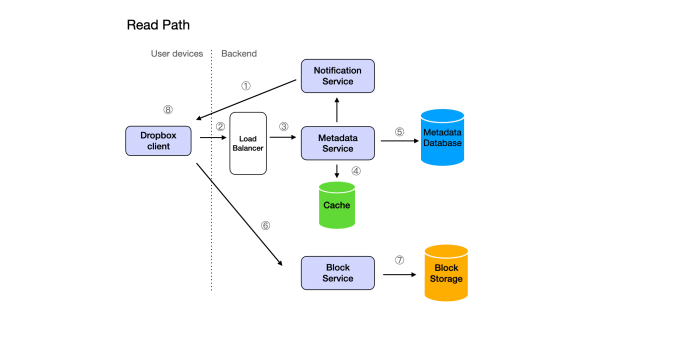
Selecting metallurgical compositions for fabricating robust dropbox gear system components demands strict adherence to extreme tensile strength thresholds
Source: systemdesignschool.io
Deep inside the iron lungs of modern industrial goliaths, colossal dropbox gear systems orchestrate the relentless transfer of immense rotational force. Engineering these monumental mechanical hearts begins long before the first blueprint is drawn, resting entirely on the microscopic architecture of advanced metal alloys. When towering mining excavators and marine propulsion drives push their limits, the gears within must endure a merciless ballet of pressure, friction, and shock.
Creating gear components capable of surviving decades of punishment requires mastering the delicate balance of alloy chemistry, thermal processing, and structural integrity. Every microscopic crystal boundary and carbon atom plays a vital role in preventing catastrophic failure when millions of foot-pounds of torque surge through the drivetrain.
Metallurgical composition of severe duty alloy steels
Heavy-duty industrial applications demand materials that defy conventional wear and tear, pushing metallurgists to formulate specialized alloy steels. The backbone of these high-performance dropbox components typically involves low-carbon alloy steels enriched with precise proportions of chromium, nickel, molybdenum, and manganese. Chromium forms hard, wear-resistant carbides while significantly enhancing hardenability and corrosion resistance. Meanwhile, nickel acts as a molecular anchor, preserving impact toughness even in sub-zero operating environments where untreated metals turn dangerously brittle.
Molybdenum steps into the chemical matrix to prevent temper embrittlement and refine the grain structure, ensuring the steel maintains its structural composure under intense operational temperatures. For instance, grades such as AISI 8620 and SAE 4320 are routinely specified for severe-duty gear manufacturing due to their exceptional core toughness and surface adaptability. A high-resolution microscopic image reveals a dense, uniform matrix of ferrite and pearlite transformed by these alloying elements into a formidable barrier against deformation, proving that macroscopic strength is fundamentally born from microscopic precision.
Molecular alterations during carburizing heat treatment processes
Achieving the dual mandate of a hard, wear-resistant exterior and a ductile, shock-absorbing core requires the transformative alchemy of gas carburizing. During this intricate thermal procedure, precision-machined gear blanks are immersed in a carbon-rich furnace atmosphere at elevated temperatures, typically exceeding 900 degrees Celsius. Thermal energy expands the face-centered cubic crystal lattice of the austenite phase, creating atomic interstitial spaces that eagerly invite migrating carbon atoms to diffuse deep into the metal surface.
Quenching the components immediately following carburization forces a rapid martensitic transformation at the outer case, trapping carbon atoms in a distorted, highly stressed crystal lattice that yields extreme surface hardness. Conversely, the core retains its lower carbon concentration, cooling into a tough microstructure of tempered martensite and bainite capable of bending without breaking. This deliberate molecular modification establishes a residual compressive stress field across the tooth flanks, effectively halting micro-crack propagation and dramatically extending the operational lifespan of the dropbox assembly.
Modern teams rely heavily on the efficient dropbox gear system to streamline daily collaborative workflows across digital workspaces. Protecting these vital collaborative pathways requires robust zix email encryption to safeguard sensitive communications from emerging modern digital threats. Ultimately, mastering this advanced security allows your organization to optimize the dropbox gear system with absolute confidence and unstoppable operational momentum.
Comparative fatigue resistance of forged steel versus cast iron variants
Decades of continuous cyclic fatigue eventually expose the fundamental differences between manufacturing methods, particularly when comparing premium forged steel to traditional cast iron. Forged steel owes its superior endurance to a manufacturing process that physically kneads molten metal ingots under immense hydraulic pressure, aligning the internal grain flow lines harmoniously along the contours of the gear teeth. This directional grain structure gives forged components an extraordinary capacity to deflect repetitive shock loads and resist crack initiation over millions of operational cycles.
In contrast, cast iron relies on graphite flakes scattered throughout its matrix, which inherently act as microscopic stress concentration points. While gray and ductile cast irons offer decent compressive strength and vibration dampening for static or low-speed environments, they fracture under high-torque cyclic fatigue where forged steel simply flexes and endures. Real-world failures in heavy industrial crushers routinely demonstrate that cast variants develop subsurface fatigue spalling decades earlier than their forged steel counterparts, confirming forged metallurgy as the definitive gold standard for heavy-duty power transmission.
Microstructural flaws driving catastrophic tooth fracture
Even the most meticulously engineered gear sets harbor potential vulnerabilities where invisible metallurgical flaws can trigger sudden, catastrophic failure. Excessive non-metallic inclusions, such as complex oxides and silicates trapped during steelmaking, create localized voids that disrupt the smooth flow of mechanical stress. When unexpected shock loads slam through the dropbox, these internal inclusions concentrate stress exponentially, initiating rapid crack propagation through the tooth root.
High-stress fatigue failures in heavy machinery are rarely accidental; they are almost always the macroscopic manifestation of microscopic anomalies, residual machining stress, or localized heat-treat anomalies.
Furthermore, improper quenching rates can induce severe retained austenite or micro-cracking along the carburized case-core interface, drastically lowering the fracture toughness. A detailed metallurgical autopsy of a failed planetary gear tooth typically uncloses a classic fatigue beach mark radiating outward from an original slag inclusion or surface grinding burn, illustrating how minute manufacturing imperfections can instantly paralyze a multi-million-dollar industrial operation.
To guarantee that only flawless components find their way into the final assembly of a heavy-duty dropbox system, manufacturers rely on an arsenal of advanced diagnostic evaluations. These rigorous inspections screen for hidden defects without compromising the structural integrity of the newly forged and heat-treated gears.
- Magnetic Particle Inspection utilizes wet fluorescent particles and high-amperage magnetic fields to reveal hairline surface and near-surface fatigue cracks invisible to the naked eye.
- Ultrasonic Testing sends high-frequency sound waves deep into the core of heavy gear blanks, mapping internal anomalies, massive inclusions, and central forging porosities.
- Eddy Current Testing applies electromagnetic induction to rapidly detect surface-level micro-defects and verify the uniformity of the hardened carburized case depth.
- X-ray Radiography captures internal volumetric images of thick-section components, ensuring complete freedom from internal shrinkage cavities and severe structural anomalies.
- Barkhausen Noise Analysis measures microscopic magnetic variations to accurately assess grinding burn damage, residual stress states, and microstructural degradation on finished tooth flanks.
Investigating the acoustic resonance signatures emitted by a malfunctioning dropbox gear system helps technicians pinpoint subsurface tooth pitting instantly.

Source: centranz.com
Deep within the cacophony of heavy industrial machinery, a dropbox gear system sings a continuous, mechanical song of power transmission. When every single component operates in pristine harmony, this auditory backdrop remains remarkably steady, echoing the reliable pulse of production lines and remote excavation sites. Yet, the moment microscopic fatigue takes root beneath the polished steel surfaces, that familiar acoustic baseline alters dramatically, transforming into a subtle warning cry for maintenance professionals.
Sound wave propagation through metallic media changes fundamentally when gear teeth develop microscopic surface fatigue, such as initial-stage pitting. As mating teeth engage under immense mechanical loads, acoustic energy travels outward through the housing casing and into the surrounding atmosphere. When a micro-pit breaches the smooth involute profile, the sudden loss of continuous surface area generates localized impact transients. These micro-collisions alter the primary acoustic emission frequency, shifting smooth sinusoidal sound waves into erratic, high-frequency stress shockwaves.
The altered acoustic waves carry distinct sideband modulations that correlate directly with the rotational velocity of the compromised gear shaft, offering an immediate auditory footprint of internal degradation before catastrophic failure occurs.
Observational protocols for piezoelectric vibration spectrum data capture
Deploying advanced diagnostic instruments in harsh operational environments requires a meticulous approach to ensure high-fidelity signal acquisition. Field engineers rely on systematic observation protocols to capture accurate vibration spectrum data from heavy-duty dropbox gear systems, transforming raw acoustic phenomena into actionable intelligence. The process begins with the strategic placement of piezoelectric transducers, which convert physical mechanical oscillations into precise electrical voltage variations.
Engineers must mount the piezoelectric sensors rigidly onto bearing housing surfaces using magnetic bases or direct stud mounting to prevent dampening high-frequency signals. Once securely positioned, the transducers interface with high-resolution digital data collectors, sampling at rates exceeding twenty kiloseconds per second to capture transient impacts accurately. Field technicians record baseline readings during steady-state operations, subsequently isolating extraneous environmental noise through proprietary digital filtering techniques.
This rigorous observational routine guarantees that the resulting spectral data accurately reflects the internal mechanical health of the dropbox assembly.
Frequency peak interpretation for shaft misalignment and tooth damage
Decoding the complex waveforms generated by industrial transmissions demands a precise understanding of characteristic frequency signatures. Different mechanical failure modes manifest as distinct spikes across the vibration spectrum, allowing technicians to diagnose specific internal anomalies with high accuracy. Misaligned shafts and fractured gear components create unique harmonic distributions that stand out clearly against normal operating noise floors.
When drive shafts suffer from angular or parallel misalignment, the spectrum typically exhibits prominent peaks at one and two times the running speed, known as 1x and 2x RPM spikes. Conversely, broken gear teeth introduce distinctive sidebands clustered tightly around the gear mesh frequency, mathematically represented by the formula:
$F_mesh = (Number \ of \ Teeth) \times (Shaft \ Speed)$
When a tooth cracks or breaks, a high-amplitude impact spike appears at the exact instant of engagement, accompanied by natural frequency ringing of the gear body. By analyzing these specific frequency elevations, reliability teams can differentiate between simple shaft eccentricity and severe subsurface metal fatigue within seconds.
Visual scenario of an acoustic monitoring dashboard in a remote mining facility
High above the dusty excavation floor in a remote Australian iron ore facility, the central control room houses a panoramic monitoring screen displaying the real-time health of a primary dropbox transmission. The digital dashboard renders a vivid waterfall plot, transitioning smoothly from calming shades of sapphire blue to intense hues of amber and crimson. In the upper left quadrant, a continuous waveform trace undulates steadily, mirroring the raw acoustic pressure captured by the casing-mounted sensors.
Suddenly, a bright crimson spike erupts along the 3.4 kilohertz band, accompanied by a sharp audible alarm that cuts softly through the hum of the climate-controlled control room. On the screen, a 3D wireframe model of the dropbox highlights a localized cluster of gear teeth in pulsing orange, pinpointing the exact spatial coordinates of emerging subsurface pitting. The automated diagnostic software overlays a confidence rating of ninety-four percent, alerting the shift supervisor to schedule a targeted inspection before the upcoming scheduled maintenance window.
Step-by-step diagnostic procedure for identifying anomalous humming noises
Investigating unusual auditory feedback requires a structured, methodical workflow to eliminate guesswork and isolate root causes efficiently. Maintenance crews follow a verified sequence of operational steps to trace anomalous humming sounds back to their precise mechanical origins within the dropbox assembly.
- Perform a comprehensive walkaround inspection using an electronic stethoscope to isolate the general acoustic source along the dropbox housing exterior.
- Connect multi-axis accelerometers to designated bearing points and record a five-minute vibration sample under normal operating load conditions.
- Import the raw time-waveform data into diagnostic software to execute Fast Fourier Transform analysis, identifying abnormal amplitude spikes.
- Compare current spectral readings against baseline commissioning data to quantify the frequency shift and rate of structural deterioration.
- Inspect magnetic drain plugs for ferrous debris particles, correlating metal particulate mass with the severity of the identified acoustic anomaly.
Retrofitting a legacy dropbox gear system with modern composite seals drastically reduces fluid leakage without altering the original cast housing dimensions.

Source: compactractorparts.com
Breathing new life into heavy industrial machinery often starts where the invisible battles against friction and fluid loss are fought. Upgrading aging equipment does not always require massive structural overhauls; sometimes, a targeted intervention using advanced materials transforms operational reliability. Engineers face the persistent challenge of modernizing robust gear assemblies without compromising the integrity of historical cast housings that have stood the test of time.
Recent advancements in polymer technology offer a brilliant path forward, merging cutting-edge material science with legacy mechanical architecture to achieve unprecedented sealing performance under brutal operating conditions.
Implementing these sophisticated composite upgrades requires meticulous attention to both metallurgical clearances and polymer behavior. When heavy industrial gearboxes operate continuously under severe thermal stress, standard sealing elements frequently degrade, leading to catastrophic lubricant loss. By deploying state-of-the-art composite alternatives, facilities report dramatic drops in unscheduled downtime while simultaneously eliminating environmental contamination risks. This seamless integration proves that respecting original engineering dimensions while adopting modern molecular chemistry represents the pinnacle of sustainable mechanical maintenance.
Polymer Science Behind Fluoroelastomer Longevity
The secret to modern sealing supremacy lies deep within the molecular architecture of fluoroelastomers, commonly known by industrial grades such as FKM and FFKM. These advanced polymers achieve their legendary thermal and chemical resilience through a densely packed carbon-fluorine backbone. Because fluorine atoms possess an extremely high electronegativity, they create a powerful shield around the carbon-carbon bonds, rendering the material virtually impenetrable to aggressive synthetic lubricants, hydraulic fluids, and reactive chemical byproducts.
This strong covalent bonding prevents thermal degradation, allowing the seal to maintain its elastic memory even when exposed to continuous operating temperatures exceeding two hundred degrees Celsius.
In heavy industrial environments, standard elastomers quickly cross-link further under sustained heat, turning brittle and cracking under vibrational loads. Fluoroelastomers resist this thermal hardening through specialized fluorination processes and varied copolymerization techniques involving hexafluoropropylene and vinylidene fluoride. Furthermore, advanced compounding incorporates active reinforcing fillers that optimize tensile strength and abrasion resistance without sacrificing flexibility. Real-world implementation in high-output mining gearboxes demonstrates that these high-performance polymers endure continuous flexing cycles and extreme pressure spikes for tens of thousands of hours, drastically outperforming traditional nitrile rubber alternatives.
Extraction Procedures For Worn Labyrinth Seals
Executing a successful plant overhaul demands methodical precision, particularly when extracting aging metallic or non-contact labyrinth seals from heavy-duty dropbox assemblies. Technicians must strictly follow established extraction protocols to prevent scoring the precision-machined shaft journals or distorting the surrounding cast iron seal bores. The following sequence Artikels the mandatory steps required to safely strip out fatigued legacy components during scheduled maintenance windows.
- Drain the internal gear lubricant completely and flush the lower housing cavity to remove suspended metallic debris before initiating any physical extraction work.
- Unbolt and carefully separate any external retention plates, dust covers, or auxiliary retaining rings that apply axial pressure against the primary labyrinth assembly.
- Apply controlled, localized induction heating evenly around the exterior cast housing bore to thermally expand the metal housing and break the historical corrosion bond holding the outer labyrinth sleeve.
- Utilize a calibrated hydraulic puller equipped with specialized, custom-machined expanding jaws designed to securely grip the internal lip of the worn labyrinth ring without slipping.
- Evenly apply steady hydraulic tonnage to draw the labyrinth component straight out of the bore, ensuring the pulling axis remains perfectly parallel to the rotating shaft to prevent binding.
- Inspect the freshly exposed shaft journal with precision micrometers and non-destructive magnetic particle testing to verify the absence of fatigue cracking or deep scoring prior to installing the replacement composite sealing system.
Comparative Analysis Of Industrial Sealing Technologies
Selecting the optimal sealing solution involves weighing operational longevity, pressure thresholds, chemical compatibility, and total lifecycle costs against the demands of heavy industrial machinery. The following response table provides a clear comparative breakdown of various sealing methodologies utilized in legacy dropbox overhauls.
Modern professionals often rely on the dropbox gear system to streamline daily operations and secure physical equipment. Today, forward-thinking teams are discovering how flyx.cloud product features insights unlock unprecedented digital efficiency, transforming the way we collaborate and grow. Ultimately, mastering this modern cloud approach elevates your entire dropbox gear system workflow for lasting success.
| Seal Technology | Expected Lifespan | Pressure Tolerance | Chemical Resistance | Cost Efficiency |
|---|---|---|---|---|
| Traditional Nitrile Lip Seal | 2,000 – 4,000 Hours | Up to 0.5 bar | Moderate (Degrades in synthetic oils) | High initial economy, high long-term maintenance |
| Cast Iron Labyrinth Seal | 20,000+ Hours (Non-contact) | Up to 1.5 bar | Excellent (Immune to most chemicals) | High upfront machining cost, indefinite durability |
| Modern Fluoroelastomer Composite | 12,000 – 18,000 Hours | Up to 3.5 bar | Superior (Resists extreme synthetic lubricants) | Balanced initial investment with maximum uptime savings |
| PTFE Spring-Energized Seal | 15,000 – 25,000 Hours | Up to 7.0 bar | Ultimate (Handles highly corrosive agents) | Premium initial cost, exceptionally low lifetime failure rate |
Mechanisms Of Installation Torque Induced Failure
Even the most technologically advanced composite seal will fail catastrophically within its first hundred hours of operation if mechanical technicians misapply installation torque across retaining flanges or housing bolts. Proper sealing relies entirely on achieving a uniform, highly calculated radial squeeze against the rotating shaft surface and an airtight static seal along the outer perimeter. When installation bolts are tightened unevenly or torqued far beyond manufacturer specifications, the resulting mechanical stress distorts the metallic housing bore and pinches the elastomeric sealing lip beyond its elastic limit.
This localized over-compression immediately destroys the hydro-dynamic fluid film necessary for lubrication, causing severe frictional heat spikes, accelerated lip carbonization, and catastrophic oil leaks almost immediately after commissioning.
Precision engineering within the dropbox gear system drives modern workflow efficiency through sleek mechanical synergy. Just as dynamic enterprise transformations like alchemer acquired or merged since 2022 reshape the digital landscape with bold strategic momentum, these robust internal components empower brilliant teams to achieve seamless operational harmony and unlock extraordinary productivity heights.
Excessive bolt pre-load transforms a precision elastomeric barrier into a rigid cutting edge, shearing away the vital sealing lip within the first operational rotation cycle.
Conversely, under-torquing leads to micro-gaps along the static mating surfaces, allowing pressurized lubricants to bypass the primary sealing zone entirely. Mechanics must utilize calibrated torque wrenches and follow a strict crisscross tightening pattern to distribute clamping forces evenly across the entire circumference of the seal carrier. Ensuring uniform load distribution guarantees that the internal stainless steel garter spring maintains consistent, calibrated radial tension against the rotating shaft, securing leak-free performance over thousands of hours of severe industrial duty.
Visual And Tactile Characteristics Of Seated Polytetrafluoroethylene Shaft Seals
Approaching a freshly installed polytetrafluoroethylene shaft seal reveals a masterclass in industrial precision engineering. Visually, the sealing element presents a clean, matte-white or charcoal-grey aesthetic, completely free of manufacturing burrs, surface blemishes, or microscopic tears along the knife-edge trimming. The material exhibits a characteristic micro-porous texture that catches the overhead workshop illumination with a subtle, non-reflective sheen, indicating optimal molecular sintering during production.
Tying the installation together, the integrated stainless steel garter spring rests securely within its designated retaining groove, glowing faintly with a clean metallic finish that contrasts sharply with the deep polymer body.
Passing a gloved finger gently across the operational face of the seated component reveals a slick, almost waxy surface texture, which is the hallmark of self-lubricating PTFE technology. The sealing lip yields smoothly under gentle fingertip pressure, demonstrating immediate elastic recovery without retaining any permanent deformation. When viewed in situ within the heavy cast housing, the seal sits perfectly square against the ground shaft shoulder, displaying a uniform radial contact band that promises absolute containment of heavy gear oils even under severe operational vibration.
Optimizing the fluid dynamics of splash lubrication chambers within a complex dropbox gear system prevents churning losses at high rotational speeds.

Source: geeksforgeeks.org
Heavy industrial machinery relies on the uninterrupted synchronization of internal drive components, where fluid management inside the dropbox gear housing dictates overall operating efficiency. When massive drive assemblies operate under sustained high rotational velocities, poorly managed lubricants generate severe parasitic drag that compromises the transmission of mechanical power. Addressing this requires a rigorous engineering approach to fluid dynamics, ensuring that internal boundaries and fluid properties harmonize to protect vital contact surfaces without sacrificing energy.
Behavior of polymer additives under extreme hydrodynamic shear stress
Modern synthetic lubricants incorporate specialized long-chain polymer molecules known as viscosity index improvers to maintain stable film thicknesses across fluctuating operating temperatures. Inside a high-speed dropbox gear system, these macromolecular chains encounter violent mechanical forces within the meshing tooth zones and narrow bearing clearances. Under relentless hydrodynamic shear stress, the polymer structures experience temporary alignment followed by permanent mechanical scission if the shear rates exceed the design thresholds of the specific additive package.
When permanent chain degradation occurs, the bulk fluid suffers a progressive drop in kinematic viscosity, directly threatening the load-bearing oil film required to prevent direct metal-to-metal contact between heavily loaded gear flanks. Laboratory rheometer evaluations indicate that shear stability indices must be carefully balanced so that the lubricant retains adequate film thickness under high stress while avoiding excessive internal fluid friction during cold-start conditions.
Field data from heavy mining conveyer transmissions demonstrate that selecting shear-stable polymethacrylate additives prevents premature fluid thinning, thereby extending the operational lifespan of industrial gearboxes by up to thirty-five percent under continuous multi-shift operation. Lubrication engineers must continuously monitor fluid degradation curves to predict the exact operational window before additive replenishment becomes necessary in mission-critical environments.
Operational oil level thresholds for immersion and drag mitigation
Establishing precise fluid fill levels is a critical engineering imperative that directly dictates the boundary between effective boundary lubrication and catastrophic churning power losses. If the internal fluid reservoir is overfilled, the rotating elements submerge too deeply into the fluid bath, forcing the mechanical components to expend massive amounts of energy simply displacing the heavy oil mass. Conversely, under-filling leaves the lowest driving pinion starved of sufficient fluid pickup, resulting in immediate thermal spike development and subsequent scoring of the gear teeth.
Industrial standards dictate that the static fluid level must submerge the lowermost tooth tip of the primary driving pinion by no more than one-third to one-half of its total tooth depth during stationary checks. Dynamic operating levels must then be modeled using computational fluid dynamics to account for fluid migration caused by centrifugal acceleration and vortex formation within the specialized housing geometry.
Experimental methodology for monitoring contact patch temperatures
Capturing accurate thermal data directly adjacent to the high-load meshing zones provides engineers with definitive proof of lubrication efficacy and friction reduction inside the gearbox housing. Traditional external surface measurements often fail to register flash temperatures generated at the instantaneous line of contact between rotating gear flanks.
Precise thermal mapping requires embedding micro-thermocouples directly beneath the active tooth root fillets via precision-machined cross-drilled oil channels within the rotating shafts.
Telemetry transmitters mounted on the high-speed shaft hubs relay real-time thermal readings to stationary data acquisition systems without introducing mechanical interference or fluid leakage pathways. This empirical approach allows technicians to observe real-time thermal spikes during load-stepping trials, verifying that the splash lubrication regime successfully dissipates frictional heat before micro-welding or surface fatigue initiates on the carburized steel flanks.
Preventive maintenance inventory for synthetic gear lubricants
Maintaining pristine fluid purity inside closed dropbox housings requires a disciplined regimen of filtration and contamination control to prevent abrasive wear from destroying precision-machined gear tooth profiles. The following systematic protocols Artikel the essential steps for removing particulate matter from synthetic lubricants during active industrial operation:
- Install high-efficiency offline kidney-loop filtration skids equipped with absolute-rated micro-glass filter elements capable of capturing sub-micron solid debris continuously without interrupting primary machine production cycles.
- Perform routine Karl Fischer titration laboratory tests every five hundred operating hours to detect and quantify dissolved moisture levels, preventing the formation of corrosive acids within synthetic polyalphaolefin base stocks.
- Execute monthly ferrographic wear debris analysis on drained oil samples to isolate specific alloy signatures, enabling maintenance crews to distinguish normal running-in wear from accelerated bearing spalling or gear pitting.
- Inspect and clean magnetic drain plugs weekly to capture liberated ferrous metallic particles before they can re-enter the fluid splash stream and circulate through the precision gear mesh.
- Verify the structural integrity of all breather caps and desiccant breathers to block atmospheric dust and ambient humidity from entering the dropbox housing during thermal breathing cycles.
Visual dynamics of fluid cascade inside a transparent test rig
An experimental full-scale transparent acrylic housing reveals the mesmerizing physics of high-speed splash lubrication operating under simulated industrial loads. Through the clear optical walls, golden synthetic transmission fluid is violently whipped by the high-speed rotating helical gears, transforming into a dense, translucent fog of microscopic droplets that completely saturates the upper chamber. Streams of amber oil adhere smoothly to the precision-ground tooth flanks, forming a continuous, brilliant meniscus that stretches and snaps precisely as the gears disengage their high-load mesh.
The dynamic fluid behavior illustrates a delicate balance of centrifugal force and gravitational return, where specialized internal baffles capture the cascading oil torrent and direct it precisely toward the upper support bearing raceways. The golden fluid catches the high-intensity strobe lighting of the test cell, creating a brilliant, hypnotic display of laminar streams and turbulent splash patterns that confirm optimal distribution across every critical mechanical interface.
Final Review
Ultimately, mastering the intricate mechanics of heavy-duty power transmission represents a triumph of human ingenuity over unrelenting physical forces. By embracing precise metallurgical science, advanced acoustic monitoring, and meticulous fluid dynamics, industry professionals ensure that these mechanical titans continue to drive our modern world forward with unwavering strength, reliability, and inspirational purpose.
