Internal vulnerability scanner deployments are actively redefining how modern enterprises safeguard their deeply embedded digital assets against sophisticated, silent threats lurking right behind the corporate firewall. Beneath the quiet hum of the server racks, a silent revolution in network defense is taking place, transforming how organizations perceive and neutralize internal cyber risks.
By shifting from passive observation to aggressive, automated diagnostic sweeps, system administrators can now illuminate the darkest corners of their enterprise architecture. This comprehensive operational guide explores how advanced telemetry, cryptographic validation, and rigorous asset mapping converge to build a resilient, impenetrable fortress from the inside out.
Uncovering hidden security gaps requires deploying a specialized internal vulnerability scanner to audit corporate network assets.
Source: controlcase.com
Modern enterprises face an invisible battleground within their own corporate perimeters, where sophisticated threats often bypass outer defenses to quietly compromise internal systems. Deploying a specialized internal vulnerability scanner transforms passive observation into proactive vigilance, illuminating the darkest corners of enterprise networks before malicious actors can exploit them.
Every organization operates under the illusion of complete visibility, yet standard perimeter firewalls remain blind to lateral movements and internal misconfigurations. Bridging this visibility gap demands a deliberate shift toward comprehensive internal audits that systematically interrogate every connected asset.
Foundational Architecture and Operational Workflow of Network Perimeter Diagnostics
The operational framework of internal diagnostics relies on a multi-tiered approach that maps the topology of enterprise environments with precision. Active scanning engines dispatch carefully crafted packets to probe active ports, while passive monitoring sensors silently analyze ambient network traffic to identify communicating devices. This dual-engine architecture ensures that even stealthy or intermittent endpoints cannot hide from the audit cycle.
Orchestration controllers manage the distribution of scan tasks across remote subnets, utilizing lightweight virtual appliances deployed strategically throughout the corporate infrastructure. These local nodes execute heavy computational workloads locally before securely transmitting aggregated telemetry back to a centralized management console. Such decentralized execution minimizes bandwidth consumption while maximizing the speed and accuracy of the discovery process across globally dispersed branch offices.
Comprehensive internal scanning converts ambient network noise into actionable intelligence, shifting organizational security from reactive firefighting to predictive dominance.
Data normalization pipelines immediately process the raw telemetry gathered during each diagnostic sweep, correlating port states with vulnerability databases in real time. This rigorous workflow guarantees that system administrators receive pristine, deduplicated insights rather than overwhelming cascades of raw alerts. Consequently, security teams can prioritize remediation efforts based on actual risk exposure rather than theoretical threats.
Comparative Enterprise Solution Metrics for Internal Diagnostics
Selecting the optimal diagnostic platform requires evaluating multiple technical vectors to balance operational overhead with detection fidelity across complex IT ecosystems. The following comparative matrix highlights key performance indicators across leading enterprise-grade vulnerability management solutions currently deployed in high-security environments.
| Solution Platform | Detection Speed | False Positive Rate | Asset Discovery Depth | Reporting Capabilities |
|---|---|---|---|---|
| Nessus Professional | Very Fast | Low (Under 2%) | Deep OS and Service Fingerprinting | Highly Customizable Executive Dashboards |
| Qualys VMDR | Real-Time Cloud Synchronized | Extremely Low (Under 1%) | Comprehensive Hybrid and Multi-Cloud | Advanced Risk Scoring and Compliance Views |
| Rapid7 InsightVM | Rapid Distributed Scanning | Low (Approx. 2%) | Extensive IoT and Container Mapping | Dynamic Remediation Workflows |
| Tenable.sc | Optimized for Large Enterprises | Low (Under 2%) | Total Asset and Dependency Tracking | Comprehensive Regulatory Framework Mapping |
Automated Credentialed Checks and Misconfiguration Discovery
External surveillance tools observe networks only from the outside, rendering them incapable of seeing deep-seated software flaws and permission oversights residing within internal operating systems. Automated credentialed scans bridge this critical gap by securely logging into target hosts using administrative keys, enabling a thorough inspection of file systems, registry settings, and local patch levels. This privileged access exposes dormant vulnerabilities that would otherwise remain invisible during unauthenticated surface-level sweeps.
Deep configuration audits powered by automated credentials routinely uncover dangerous oversights such as default administrative passwords, overly permissive access control lists, and unencrypted database connections. For example, historical incidents in financial institutions frequently trace breaches back to internal developer workstations left with unpatched third-party software and open debugging ports. By simulating the perspective of an authenticated insider or a pivoted attacker, automated credentialed checks systematically neutralize these hidden vectors before they lead to catastrophic data exfiltration.
Identification Mechanics for Unauthorized Shadow IT Devices
Modern corporate offices are dynamic ecosystems where employees frequently introduce unauthorized hardware, ranging from rogue Wi-Fi routers and personal network-attached storage units to unapproved Internet of Things gadgets. These clandestine assets completely bypass formal procurement and security vetting processes, creating massive blind spots that attackers readily exploit to establish persistent footholds. Routine internal sweeps utilize advanced fingerprinting algorithms and protocol analysis to unmask these hidden interlopers, ensuring absolute compliance and network integrity.
During a scheduled internal sweep, the scanning engine initiates a comprehensive Address Resolution Protocol and Internet Control Message Protocol broadcast across all active subnets to map every responding IP address. The system then compares the discovered MAC addresses and device signatures against an approved inventory database maintained by the asset management team. When an unrecognized hardware signature appears, the scanner triggers an immediate behavioral analysis, inspecting the device’s open ports, banner responses, and traffic patterns to classify its function and potential threat level.
Deploying a robust internal vulnerability scanner illuminates hidden digital shadows across your network infrastructure today. Just as orchestrating a flawless corporate event requires precision using a mega seating plan to place every guest perfectly, securing your enterprise demands meticulous asset mapping. Ultimately, mastering this vigilant internal vulnerability scanner transforms potential cyber risks into stepping stones for unprecedented organizational resilience.
Consider a scenario where an engineering department secretly plugs an unmanaged wireless access point into a conference room data jack to bypass corporate web filters. Within minutes of the next scheduled internal sweep, the specialized scanner flags the anomalous MAC address fabric, detects the broadcasting SSID through wireless probe response analysis, and logs the unauthorized asset. Security operations receive an automated high-priority alert containing the exact switch port location, allowing network administrators to isolate the rogue device instantly and prevent potential lateral compromises across the corporate infrastructure.
Security teams must map out hidden lateral movement paths before malicious actors exploit unpatched server nodes.

Source: manageengine.com
Modern corporate networks resemble sprawling digital metropolitan areas, where interconnected servers and forgotten workstations form intricate networks of alleys and boulevards. Within these complex environments, malicious intruders rarely break through the front door and stay put; instead, they slip quietly through administrative blind spots, utilizing default credentials and unmonitored communication protocols to wander deep into the digital heartland. Security architects are now rewriting their playbook, realizing that waiting for an external perimeter breach is no longer a viable strategy in an era of relentless, automated cyber assaults.
Proactive defense demands a dramatic shift in perspective, moving past traditional perimeter-focused monitoring to actively chart the invisible corridors that link internal assets together. By visualizing these hidden highways before adversaries weaponize them, organizations can transform their corporate architecture from a fragile house of cards into a resilient, self-aware ecosystem capable of containing threats at their earliest inception.
Simulating insider threat trajectories using automated network mapping procedures
Uncovering the pathways that an unauthorized entity might travel requires deploying sophisticated simulation engines that mimic the cunning and patience of a persistent human adversary. These automated network mapping procedures systematically query every active node, analyzing trust relationships, firewall rule sets, and active directory permissions to construct a living, breathing model of internal connectivity. Imagine a digital cartographer drafting a dynamic, glowing topological map of the enterprise, where every data packet trajectory and shadow route is exposed under high-definition ultraviolet light.
This cartography exercise exposes dangerous shortcuts, such as legacy development servers retaining unrestricted access to production databases, long before a real-world breach occurs.
By executing these graph-based attack path simulations against historical breach telemetry—such as the methodologies observed in infamous supply chain compromises—security analysts can pinpoint critical choke points. The software calculates probability vectors for credential harvesting and token impersonation, offering a ranked ledger of vulnerabilities that require immediate architectural remediation.
Configuring aggressive port profiling without disrupting mission-critical database operations
Deploying aggressive scanning maneuvers across enterprise environments carries the inherent risk of overwhelming legacy systems and stalling vital financial transactions. Precision configuration is the ultimate safeguard, requiring administrators to throttle packet injection rates, randomize probe intervals, and strictly exclude volatile memory ranges during peak business hours. Picture a master watchmaker tuning a delicate antique timepiece, where a fraction of a millimeter determines whether the mechanism purrs in harmony or shatters entirely under pressure.
Network engineers achieve this delicate balance by implementing rate-limiting parameters, applying granular source-IP exclusion lists, and routing diagnostic probes through secondary virtual local area networks.
Before launching a comprehensive sweep against mission-critical database clusters, teams must establish baseline performance metrics to monitor CPU utilization and transaction latency in real time. If response times deviate beyond acceptable thresholds, the scanning engine automatically pauses its aggressive profiling routines, ensuring that the relentless pursuit of security never inadvertently sabotages daily business continuity.
Infrastructure vulnerabilities uncovered during deep-dive audits, Internal vulnerability scanner
Deep-dive infrastructure audits routinely peel back the glossy veneer of enterprise networks, exposing neglected corners where aging software and forgotten configurations quietly compromise overall organizational integrity. These diagnostic sweeps illuminate the tangible risks lingering on forgotten hosts, providing a definitive inventory of technical debt that demands immediate, prioritized patching.
- Outdated firmware versions on core enterprise routing hardware containing publicly documented remote code execution flaws.
- Hardcoded administrative credentials embedded within legacy registry keys left behind by third-party contractors.
- Unencrypted service accounts utilizing weak cryptographic hashes that are vulnerable to rapid pass-the-hash extraction.
- Out-of-date hypervisor components lacking crucial memory-isolation patches, exposing virtualized environments to guest-to-host escapes.
Psychological transition from reactive patching to proactive internal scanning
For decades, the standard operating procedure for information technology departments has been anchored in the familiar, high-stress cycle of reactive firefighting. Administrators have historically lived in a state of perpetual triage, waiting for a vendor advisory or a smoking-gun alert to trigger a frantic scramble for emergency patches. This defensive posture breeds a subtle form of organizational complacency, where the absence of immediate alarms is mistakenly interpreted as absolute security.
Transforming this mindset requires a fundamental rewiring of professional identity, urging system administrators to view their own networks through the skeptical, unforgiving eyes of an invader rather than the benevolent eyes of a builder.
Embracing proactive internal scanning demands the cultivation of continuous curiosity and a healthy dose of professional paranoia. Instead of measuring success by how quickly a team reacts to a catastrophic zero-day exploit, modern security culture measures triumph by how many latent vulnerabilities are discovered and eradicated before they can be weaponized in the wild. This evolution shifts the daily routine from a chaotic sprint of damage control to a disciplined, analytical discipline of continuous architectural hardening.
Deploying a robust internal vulnerability scanner illuminates digital shadows, much like investigating how much money has gmbbriefcase.com raised to fuel startup innovation and market growth. By bridging financial transparency with deep cybersecurity audits, organizations empower resilient teams to proactively neutralize hidden digital threats before exploitation occurs, securing a prosperous technological future.
When administrators begin to treat every unverified connection and unpatched server node as an active liability, the entire department transcends traditional operational silos. They evolve from weary caretakers of legacy systems into visionary architects of digital resilience, championing a culture where security is not an afterthought bolted onto the network, but the very foundation upon which every digital innovation is built.
Modern enterprise environments demand continuous cryptographic validation alongside standard software flaw identification routines.: Internal Vulnerability Scanner
Enterprise networks operate as living, breathing ecosystems where traditional vulnerability scanning merely scratches the surface of deeply embedded structural risks. Beneath the glossy interface of daily corporate operations, silent digital credentials and aging cryptographic foundations hold the actual keys to the kingdom. Picture a sprawling, brightly lit data center humming with quiet authority, yet housing forgotten SSL certificates quietly ticking down toward expiration like hidden time bombs.
When security professionals peel back these administrative layers, they often find that standard software patch management leaves critical gaps wide open. Bridging this security chasm requires an aggressive shift toward relentless cryptographic oversight, ensuring that every digital handshake across the internal fabric remains fortified against modern interception techniques.
Visualizing the invisible architecture of a corporate network reveals a complex web of trust relationships, where cryptographic keys act as invisible bridges between mission-critical servers. Imagine a glowing, three-dimensional topological map floating in a darkened security operations center, suddenly illuminating sudden flashes of crimson wherever a weak hashing algorithm or an unmonitored certificate lingers. Threat actors do not merely break doors down; they slip quietly across these fragile bridges by exploiting outdated encryption protocols that organizations forgot they were using.
Integrating deep cryptographic validation into daily vulnerability routines transforms these blind spots into highly visible fortifications, stopping lateral movement dead in its tracks before adversaries can leverage compromised trust.
Active Directory Privilege Escalation Prevention
Internal security assessments serve as the ultimate operational safeguard against silent privilege escalation within massive Active Directory ecosystems. Adversaries frequently leverage misconfigured Kerberos delegations and stale service accounts to quietly elevate ordinary user privileges into absolute domain dominance. Routine internal testing simulates these exact stealthy maneuvers, illuminating the exact pathways where administrative access bleeds into unsecured zones. Real-world breach investigations consistently demonstrate that organizations failing to audit their internal directory structures regularly end up falling victim to stealthy pass-the-hash attacks that bypass perimeter firewalls entirely.
By systematically hunting down these permission anomalies, defenders rewrite the narrative, turning a chaotic playground for hackers into an impenetrable fortress.
Effective defense against internal privilege creep requires a methodical approach to uncovering hidden administrative relationships before malicious actors weaponize them. The operational workflow to neutralize these threats involves distinct, highly focused actions executed by specialized internal security teams.
Deploying a robust internal vulnerability scanner illuminates hidden digital shadows across your network infrastructure. As security teams investigate platform updates and wonder does agendad.com have a blog for compliance insights, proactive defense strategies must evolve continuously. Embracing this vigilant mindset empowers organizations to transform potential cyber risks into stepping stones for ultimate digital resilience.
- Mapping all active Kerberos delegation paths to identify excessive privileges assigned to standard service accounts across the enterprise network.
- Auditing Group Policy Objects for unauthorized modifications that could allow non-administrative users to execute remote code on domain controllers.
- Simulating credential-harvesting attacks using authorized internal testing agents to locate plaintext passwords cached in memory or configuration files.
- Implementing immediate remediation protocols for any discovered dangling administrative accounts tied to former employees or legacy integration scripts.
Cryptographic Asset Matrix and Risk Evaluation
Maintaining absolute visibility over corporate cryptographic assets requires structured tracking mechanisms that categorize vulnerabilities by their immediate operational danger. As digital certificates multiply across cloud instances and on-premise servers, manual spreadsheets inevitably fail, leading to catastrophic service outages and compromised data streams. A structured matrix brings absolute clarity to this cryptographic chaos, establishing clear operational priorities for the engineering teams tasked with remediation.
| Certificate Expiration Tracking | Cipher Strength Grading | Weak Hashing Algorithm Identification | Remediation Urgency Tiers |
|---|---|---|---|
| Automated monitoring flags assets expiring within thirty, sixty, and ninety-day intervals to prevent sudden service disruptions. | Continuous grading categorizes RSA-1024 and RC4 implementations as high-risk cryptographic liabilities across internal nodes. | Deep packet inspection isolates legacy MD5 and SHA-1 signatures still embedded in internal application signing workflows. | Tier 1 Critical demands immediate key revocation and replacement within twenty-four hours to block active eavesdropping. |
| Real-time dashboard notifications alert infrastructure owners well before production web certificates trigger browser security warnings. | Periodic cipher audits enforce mandatory transition to TLS 1.3 standards, decommissioning obsolete encryption suites completely. | Automated scanners flag deprecated hashing methods lurking within legacy database connection strings and internal APIs. | Tier 2 Moderate schedules automated certificate renewal during the next designated weekly maintenance window without downtime. |
Automated Policy Compliance Integration Pipelines
Security compliance can no longer remain a static, bureaucratic checklist completed once a quarter by an overwhelmed audit team. Modern software delivery demands that policy compliance checks be baked directly into the continuous integration and continuous deployment pipelines that build enterprise applications. Imagine a fast-moving assembly line of code, where every single commit undergoes automated security profiling before it ever touches a staging environment.
This automated gatekeeping ensures that misconfigured security settings, exposed API keys, and weak encryption parameters are caught and squashed while code is still being written by developers. Baking security rules into automated build pipelines creates a resilient corporate culture where safety and speed work hand in hand rather than competing against each other.
Embedding these automated verification guardrails within development workflows requires strategic placement of compliance checks across every single stage of the software lifecycle. Organizations achieve seamless integration by focusing on specific, repeatable engineering milestones.
- Injecting automated infrastructure-as-code scanners into early code repository pull requests to catch cloud misconfigurations instantly.
- Enforcing mandatory cryptographic checks within continuous integration build scripts to block the deployment of software utilizing outdated ciphers.
- Configuring automated feedback loops that notify developers immediately within their chat applications when a security policy violation occurs.
- Generating dynamic compliance audit reports automatically upon successful build completion to satisfy regulatory requirements effortlessly.
Automated Credential Rotation Enforcement Mechanisms
Enterprise security frequently relies on the comforting illusion that establishing a mandatory credential rotation policy solves the inherent risk of compromised passwords. Organizations routinely mandate that administrative service accounts, database passwords, and API tokens be changed every ninety days to thwart persistent attackers. However, human behavior and systemic complexity conspire to render manual rotation schedules virtually useless in actual operational environments.
When system administrators rely on manual calendars and sticky notes to rotate thousands of microservice credentials, chaos inevitably ensues. Services fail silently because a dependent application script was missed, or worse, administrators resort to using predictable patterns or reusing old passwords to avoid breaking production systems. Real-world incident response logs repeatedly show that manual rotation schedules leave massive windows of opportunity for attackers because updates are frequently delayed, forgotten, or executed incorrectly across distributed cloud architectures.
True security resilience does not stem from human discipline, but from unyielding, automated mechanics that remove human error from the equation entirely.
Solving this systemic vulnerability requires absolute reliance on automated orchestration platforms that manage the entire lifecycle of enterprise secrets without human intervention. Automated mechanisms programmatically generate cryptographically complex passwords, update dependent application configuration files in real time, and verify service health across the network without missing a beat. When an automated vault orchestrates credential rotation every single night, the window of utility for any intercepted password shrinks to practically zero.
Furthermore, automated verification routines immediately test the newly rotated credentials against designated endpoints, rolling back changes instantly if a connection fault is detected. This eliminates the catastrophic downtime that historically accompanied manual password changes, turning a feared administrative chore into a silent, seamless background operation. Without this rigorous automation backing up security policies, administrative passwords remain ticking time bombs waiting for the right moment to compromise the entire corporate infrastructure.
Network administrators often struggle to interpret massive volumes of raw diagnostic telemetry generated during comprehensive asset sweeps.
Navigating the relentless digital storm within modern corporate architectures resembles trying to read a rushing river drop by drop. When deep infrastructure sweeps finish, security operations centers are routinely flooded with endless streams of diagnostic data, creating a daunting operational fog that masks genuine danger. Transforming this overwhelming avalanche of telemetry into sharp, actionable insight requires both advanced cognitive focus and robust architectural precision.
Organizations can no longer afford to drown in raw data logs when proactive defense demands absolute clarity and immediate situational awareness.
Distilling these massive data streams into clear operational priorities empowers defense teams to act swiftly before vulnerabilities turn into active breaches. By cutting through the noise of false positives, security engineers establish a reliable baseline of network health that safeguards vital corporate assets against emerging cyber threats.
Comprehensive visual dashboard hierarchy illustrating risk heatmaps
Modern command centers rely heavily on structured visual interfaces that translate complex binary telemetry into intuitive, color-coded topographic displays. Imagine walking into a high-tech operations room where a massive, curved master screen projects a glowing, three-dimensional topographical map of the entire global enterprise infrastructure. This digital canvas pulses with vibrant hues, where deep crimson zones represent high-risk production subnets suffering from active, unpatched memory corruption vulnerabilities.
Surrounding these critical danger clusters, amber sectors glow steadily to indicate secondary staging environments carrying moderate configuration flaws, while calm emerald expanses denote securely hardened, fully patched operational segments. Floating interactive nodes reveal cascading data cascades upon a simple touch, allowing security specialists to drill down instantly from macro-level enterprise threat overviews straight into the specific packet trace of a compromised endpoint.
Advanced filtering techniques separating critical operational threats from negligible informational alerts
Filtering out the blinding snowstorm of low-priority diagnostic noise is an absolute necessity for maintaining peak incident response efficiency. Advanced security information and event management platforms deploy multi-layered regex parameters, contextual asset weighting algorithms, and historical behavior baselines to instantly strip away harmless informational chatter. When routine system updates or standard port scans generate thousands of benign entries, automated triage rules suppress these distractions before they ever reach human eyes.
This rigorous filtering protocol ensures that security analysts spend their valuable time investigating genuine anomalies rather than chasing ghost alerts that carry zero real-world risk to the organization.
Deploying these intelligent filters directly impacts daily security operations, bringing unprecedented focus to the triage workflow:
- Contextual whitelisting isolates authorized administrative scripts from malicious remote execution attempts.
- Dynamic threshold tuning mutes repetitive low-severity timeout warnings originating from stable internal subnets.
- Behavioral anomaly filters instantly escalate sudden outbound data spikes regardless of historical device trust ratings.
Prioritization matrix for vulnerability remediation tickets based on asset criticality and exploit availability
Tackling every discovered vulnerability simultaneously is a mathematical impossibility for even the most well-funded cybersecurity departments. Establishing a strict, systematic remediation hierarchy ensures that limited human and computational resources target the exact vulnerabilities that threaten business continuity the most.
Risk prioritization transforms overwhelming technical backlogs into clear, manageable missions that protect the organization’s most valuable assets first.
The following structured approach guides engineering teams in systematically closing the most dangerous security gaps without disrupting daily enterprise operations.
- Assess the business impact value of the underlying asset by cross-referencing database classification levels and regulatory compliance mandates.
- Evaluate current exploit maturity metrics by checking active threat intelligence databases for publicly available exploit code or proof-of-concept scripts.
- Calculate the composite risk score by multiplying asset exposure levels by the verified ease of remote exploitation.
- Assign remediation tickets directly to specialized domain owners with strict, automated time-to-live closure deadlines based on assigned risk tiers.
Correlation of internal probe findings with external threat intelligence feeds
Connecting the dots between isolated internal network flaws and the broader global threat landscape transforms static vulnerability assessments into dynamic, predictive defense strategies. When an internal vulnerability scanner flags an outdated software library residing on a regional database server, that finding remains just a routine data point until enriched with live external telemetry. Security analysts immediately cross-reference the specific software version and operating system build against active threat intelligence feeds, global indicator of compromise databases, and known adversary tradecraft reports.
Deploying an internal vulnerability scanner illuminates hidden digital shadows across corporate networks. As businesses fortify these foundational defenses, partnering with an expert netsuite solution provider streamlines operational growth and secures enterprise data streams. Ultimately, mastering this vigilant internal vulnerability scanner empowers teams to navigate modern cybersecurity landscapes with absolute confidence and resilience.
This vital correlation process reveals whether cybercriminal syndicates or advanced persistent threat groups are currently targeting that exact vulnerability in real-world campaigns. For instance, during widespread zero-day exploitation events such as the historic Log4j crisis, organizations that instantly correlated their internal asset scan telemetry with live GitHub exploit repositories managed to patch critical payment gateways hours before automated scanning bots initiated mass exploitation attempts.
By synthesizing internal visibility with external situational awareness, security teams uncover hidden attack paths and anticipate adversary movements before malicious payloads ever breach the corporate perimeter. This deep analytical synergy bridges the gap between passive observation and active resilience, ensuring that enterprise defense mechanisms remain perpetually one step ahead of sophisticated cyber threats.
Budget constraints frequently force organizations to optimize their internal auditing infrastructure for maximum return on investment.

Source: githubusercontent.com
Every single dollar allocated to corporate defense must justify its existence on the balance sheet, turning security procurement into a high-stakes balancing act between fiscal responsibility and operational risk. When treasury departments tighten corporate purses, engineering teams must look beyond shiny commercial dashboards and focus entirely on maximizing operational leverage through smart architectural choices.
Resourceful defenders increasingly treat vulnerability management not merely as a compliance checkbox, but as a strategic asset that must prove its financial worth through measurable threat reduction per dollar spent. Navigating this delicate economic reality requires a clear-eyed comparison of available tools, an honest assessment of hidden operational expenses, and a pragmatic roadmap for lean organizations determined to secure their digital perimeters.
Comparative evaluation of open-source scanning frameworks and proprietary enterprise suites
Evaluating the true value of security tooling demands an objective look at both community-driven engines and commercial ecosystems, weighing upfront capital expenditures against long-term engineering overhead. The market presents a vivid contrast between zero-license-cost flexibility and turnkey convenience, shaping how organizations of varying sizes approach internal risk assessment.
- Open-source frameworks provide total code transparency and zero licensing fees, allowing deep customization for specialized engineering teams.
- Proprietary enterprise suites deliver immediate value through centralized multi-tenant management consoles and dedicated vendor support teams.
- Community tools often require specialized in-house expertise to maintain plugin updates and parse raw diagnostic outputs effectively.
- Commercial alternatives absorb deployment friction by offering pre-built compliance templates and automated patching integrations straight out of the box.
The operational divide between these two paradigms becomes remarkably clear when examining their core structural attributes across financial, technical, and human resource dimensions.
| Licensing Models | Deployment Complexity | Community Support Channels | Hardware Resource Consumption |
|---|---|---|---|
| Free, open-source GNU GPL or MIT licenses with unlimited scaling potential. | High technical overhead requiring manual containerization and dependency compilation. | Decentralized peer-to-peer forums, GitHub repositories, and independent security wikis. | Highly optimized and lightweight, suitable for deployment on legacy edge hardware. |
| Subscription-based per-asset or per-scanner annual licensing fees. | Streamlined automated provisioning via cloud orchestrators and pre-configured virtual appliances. | SLA-backed 24/7 ticketing systems, dedicated account managers, and official knowledge bases. | Demanding core footprints requiring high-memory application servers and robust database clusters. |
| Hybrid community editions with gated enterprise feature tiers. | Moderate complexity balancing scripted installation routines with manual database tuning. | Active developer chat channels alongside formal ticket escalation pathways. | Scalable resource utilization dependent on active concurrent plugin execution limits. |
Hidden financial impact of false alarms and manual verification workflows
Acquiring software licenses represents only the tip of the iceberg, because the real budget drain often hides deep within the daily operational drag caused by inaccurate diagnostic findings. When security analysts spend precious hours chasing phantom alerts, the true cost manifests as wasted payroll, delayed remediation schedules, and severe employee burnout across critical engineering units.
Operational efficiency vanishes the moment high-paid security engineers spend more time validating false positives than fixing actual exploitable vulnerabilities.
Consider a mid-sized financial institution processing thousands of daily scan results where an uncalibrated signature triggers repetitive false alarms on legacy database servers. Investigating each erroneous alert requires manual log correlation, peer review, and ticketing overhead that easily consumes dozens of engineering hours every single week. This invisible tax drains technical budgets much faster than initial software acquisition costs, proving that tuning accuracy is just as critical as raw detection capability.
Construction of robust internal audit routines using modular lightweight scanning engines
Small businesses operating under strict financial ceilings can achieve enterprise-grade visibility by assembling modular, lightweight scanning engines tailored specifically to their exact network topology. Instead of purchasing monolithic security platforms laden with unused features, lean IT departments can orchestrate discrete, open-source components into a unified, highly efficient internal audit pipeline. This modular approach allows administrators to deploy targeted scripts for specific tasks, such as local package enumeration, configuration drift detection, and credentialed port auditing, without overwhelming limited local hardware resources.
Building this agile infrastructure begins with selecting a core scanning daemon capable of executing fast, non-disruptive sweeps across internal subnets during scheduled maintenance windows. For instance, a regional logistics firm operating out of three distinct warehouses can deploy lightweight network probes running on low-power single-board computers or decommissioned desktop hardware placed locally at each site. These decentralized nodes perform localized asset discovery and vulnerability enumeration, transmitting only compressed, encrypted JSON summaries back to a central dashboard hosted on a modest cloud virtual private server.
This architecture drastically reduces wide-area network bandwidth consumption while keeping infrastructure expenses near zero.
Automation serves as the essential glue holding these lightweight components together, transforming disparate command-line utilities into a cohesive, continuous security monitoring system. Administrators can leverage basic orchestration tools like scheduled cron jobs paired with custom shell scripts to trigger scans automatically whenever new container instances spin up or corporate DHCP leases renew. The resulting telemetry feeds directly into open-source visualization platforms, giving IT managers a clear, real-time heat map of network vulnerabilities without requiring expensive commercial licenses.
By deliberately focusing on modularity, resource efficiency, and smart automation, smaller organizations can successfully neutralize internal threats and maintain rigorous compliance standards while keeping their operational budgets safely in the black.
Final Review
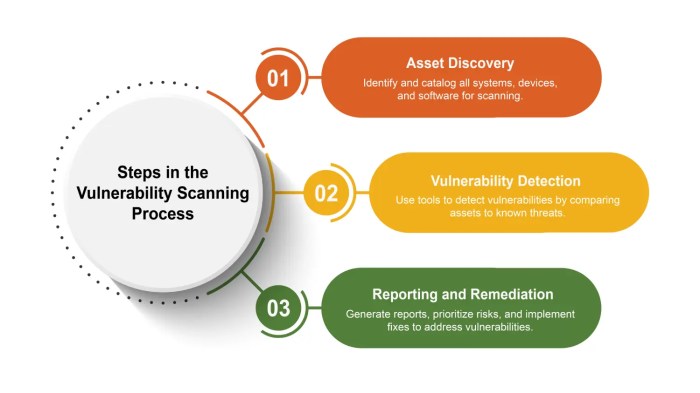
Source: fidelissecurity.com
Mastering internal defense requires a permanent evolution in mindset, moving away from frantic patch management toward a harmonious symphony of continuous intelligence and proactive oversight. As our digital ecosystems grow ever more complex, embracing these rigorous auditing strategies ensures that your organization remains standing strong, resilient, and fully prepared for whatever tomorrow’s threat landscape brings.
