What does axonius do in a world where digital ecosystems expand faster than the morning light, leaving organizations to navigate a labyrinth of unmapped hardware and hidden software shadows? Every single day, modern enterprises grapple with the formidable challenge of maintaining a crystal-clear inventory across sprawling cloud and physical environments. As departments independently adopt new tools, visibility gaps widen silently, creating fertile ground for operational blind spots and unmanaged risks that threaten the very core of organizational stability.
By harnessing the power of continuous automated data aggregation, this platform transforms fragmented administrative logs into a singular, cohesive system of record. Security professionals no longer need to spend countless hours manually reconciling conflicting spreadsheet exports from disparate endpoint platforms. Instead, intelligent API connectors pull vital metadata from firewalls, identity providers, and software agents into one unified repository, sweeping away administrative bottlenecks and laying the sturdy groundwork needed to conquer modern cyber challenges.
Organizations often struggle to maintain complete visibility over their sprawling digital ecosystems because hardware devices and software applications continuously connect without centralized tracking.: What Does Axonius Do

Source: contentstack.io
Axonius maps complex digital landscapes, shedding bright light on hidden assets to secure corporate networks. Just as modern supply chains thrive by utilizing crm software for distributors to track vital connections and elevate client relations, finding absolute visibility empowers organizations to triumph over operational chaos, ultimately building a resilient foundation for future growth.
Modern enterprises navigate a relentless expansion of digital frontiers where corporate networks resemble living, breathing organisms rather than static blueprints. Every single day, countless endpoints flicker into existence, from remote employee laptops and Internet of Things sensors to ephemeral cloud workloads spinning up and down within seconds. This rapid decentralization creates a profound operational fog that obscures the true perimeter of the enterprise.
IT and security teams find themselves peering into a fragmented digital mirror, where traditional methods of asset discovery fail to capture the dynamic reality of modern infrastructure. The sheer velocity of technological adoption outpaces the capacity of legacy inventory systems, leaving organizations vulnerable in a landscape they cannot fully see.
Maintaining an accurate inventory of every connected asset has evolved into a monumental challenge due to the sheer diversity and velocity of modern technology integration. When hardware devices and software applications continuously connect without centralized tracking, they form massive blind spots across the enterprise. Security professionals confront an environment where data resides everywhere, fragmented across multi-cloud environments, Software-as-a-Service platforms, and personal mobile devices utilized for remote work.
According to industry insights from Gartner, organizations typically discover that their actual asset count exceeds initial estimates by thirty to fifty percent once automated discovery tools are deployed. This discrepancy stems from silos between departments, where marketing teams procure external software applications independently of central IT, and developers provision cloud servers with a simple swipe of a corporate credit card.
Without a unified, real-time mechanism to ingest telemetry from every corner of the digital ecosystem, IT leaders operate in a perpetual state of reaction, attempting to secure a sprawling infrastructure built on incomplete knowledge and outdated spreadsheets.
Operational Vulnerabilities Stemming from Decentralized Technology Accumulation
The accumulation of unmanaged cloud instances and unauthorized applications across departmental boundaries introduces severe operational and security risks that threaten the stability of the entire organization. When business units bypass formal procurement channels to accelerate project delivery, they inadvertently construct a vast landscape of shadow IT that operates entirely outside the purview of governance frameworks. These forgotten servers, unmonitored databases, and rogue applications lack essential security baselines, patch management protocols, and multi-factor authentication enforcement.
Cyber adversaries actively scan the perimeter for these unattended digital outposts, recognizing them as vulnerable entry points into the corporate network. Furthermore, regulatory compliance mandates such as GDPR, HIPAA, and PCI-DSS require organizations to maintain comprehensive visibility over all data repositories. The presence of unmanaged cloud instances directly undermines these compliance efforts, exposing the enterprise to catastrophic financial penalties and reputational damage following a data breach.
Remediation efforts become paralyzed when security teams spend critical hours investigating unknown assets instead of neutralizing active threats, transforming minor departmental oversights into enterprise-grade crises.
Organizations must comprehend the multifaceted impact of visibility gaps through a structured evaluation of specific asset categories and their corresponding security consequences. The following overview details common blind spots observed in enterprise environments:
| Asset Category | Visibility Blind Spot Description | Operational Risk | Security Impact |
|---|---|---|---|
| Ephemeral Cloud Workloads | Temporary servers and containers spun up for testing that remain active after project completion. | Uncontrolled cloud expenditure and resource wastage. | Open ports and unpatched operating systems serving as direct entry points for attackers. |
| Unmanaged IoT Devices | Smart printers, cameras, and facility sensors connected directly to the corporate Wi-Fi network. | Lack of asset ownership and accountability across facility management. | Weak default credentials allowing threat actors to pivot into core enterprise networks. |
| Shadow SaaS Applications | Collaboration and productivity tools adopted independently by specific business departments. | Data fragmentation and loss of administrative control over sensitive corporate intellectual property. | Exfiltration of proprietary data due to non-compliant third-party cloud storage sharing settings. |
| Remote Endpoint Devices | Personal laptops and mobile phones accessing corporate resources outside the physical office perimeter. | Inconsistent enforcement of endpoint protection and device health checks. | Vulnerabilities from unsecured home networks exposing VPN tunnels to interception. |
Addressing these pervasive visibility challenges requires a paradigm shift away from manual audits toward continuous, automated correlation of data sources. To illustrate the transformative power of comprehensive asset intelligence, consider the visualization of a modern enterprise security operations center.
Complete visibility is not merely a defensive checkbox; it is the foundational bedrock upon which all effective cybersecurity, risk management, and operational resilience are built.
Envision a panoramic, high-resolution digital command center where a massive curved display renders the entire enterprise ecosystem in vibrant, living color. Instead of static lists and confusing spreadsheets, the interface pulses with real-time data feeds, mapping out millions of hardware devices, cloud instances, and software applications as an interconnected constellation. A soft amber glow highlights newly connected remote endpoints, while automated algorithms instantly cross-reference each asset against vulnerability databases and compliance mandates.
Security analysts walk across polished floors, observing how disparate data sources converge into a single, cohesive source of truth that banishes shadows and eliminates uncertainty. This vibrant visual metaphor captures the essence of absolute clarity, where every digital asset is accounted for, verified, and seamlessly integrated into a fortified operational posture.
Security teams frequently waste valuable hours manually reconciling conflicting data exports from disparate endpoint management and cloud infrastructure platforms.

Source: study.com
Picture a dimly lit security operations center where skilled analysts stare endlessly at glowing monitors, drowning in a relentless sea of comma-separated values. Instead of hunting sophisticated threats, these professionals spend their shifts acting as human calculators, desperately trying to paste mismatched spreadsheets together before a Friday compliance audit. This exhausting ritual of administrative data wrestling creates massive blind spots, leaving organizations dangerously exposed while valuable human talent burns out on tedious paperwork.
Automated data aggregation completely revolutionizes this chaotic landscape by instantly transforming fragmented administrative logs into a pristine, unified system of record. Imagine hundreds of disparate data streams flowing effortlessly into a single, living digital blueprint of the enterprise, eliminating human error and reclaiming thousands of operational hours. Rather than forcing analysts to manually cross-reference identities, devices, and cloud workloads, intelligent platforms synthesize this information in real-time, painting a crystal-clear picture of the entire corporate environment.
Comprehensive visibility is not merely a technical luxury; it is the absolute bedrock of modern cyber resilience and operational efficiency.
The Underlying Mechanism of Automated Metadata Ingestion
Modern infrastructure requires constant communication between systems, and automated discovery relies heavily on sophisticated API connectors to bridge the operational divide. These programmatic bridges reach deeply into firewalls, identity providers, and software agents, continuously querying diverse environments for the latest configuration metadata. By standardizing these varied inputs into a common schema, the ingestion engine successfully normalizes conflicting naming conventions, duplicate IP addresses, and overlapping user accounts from multiple administrative domains.
Consider a multinational financial institution struggling to track remote endpoints connecting through various cloud gateways. Specialized connectors systematically harvest telemetry from endpoint protection software, active directory instances, and perimeter firewalls simultaneously. This raw data streams securely into a centralized graph database, where entity resolution algorithms stitch disparate records together to form a singular, trustworthy asset profile. The resulting repository provides an unbroken chain of custody for every device and user touching the network.
Administrative Bottlenecks Eliminated Through Continuous Automated Correlation
Relying on static spreadsheets and manual reconciliation introduces severe operational friction that paralyzes security agility. Transitioning to continuous automated correlation systematically removes these persistent roadblocks, empowering teams to operate at machine speed.
- Elimination of human error inherent in copying and pasting rows across massive Microsoft Excel files during monthly compliance reporting cycles.
- Drastic reduction in the time required to answer critical vulnerability questions from weeks of manual research down to a matter of seconds.
- Prevention of data staleness by replacing batch updates with real-time streaming synchronization across cloud and on-premises environments.
- Removal of inter-departmental silos caused by security, network, and IT administration teams working from entirely different, unaligned data sets.
- Minimization of audit preparation fatigue through the automatic generation of historical compliance snapshots without pulling analysts away from defensive duties.
Identifying unmanaged endpoints and unauthorized software installations remains a primary objective for defenders striving to minimize their digital attack surface.
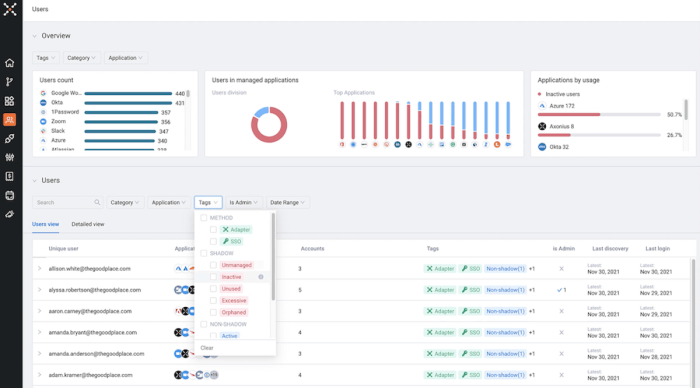
Source: helpnetsecurity.com
Axonius maps every digital asset to illuminate hidden network blind spots with precision clarity. As modern operations evolve, deploying efficient software used in food industry transforms supply chains into secure, streamlined ecosystems of growth. Ultimately, this comprehensive visibility empowers organizations to conquer cyber complexity, ensuring every connected device remains protected and ready for tomorrow.
Every single connection within a modern enterprise introduces a potential blind spot that modern security teams must urgently illuminate. In an era where corporate perimeters dissolve into dynamic cloud environments and hybrid workforces, the hidden devices operating beneath the surface represent the greatest risk to structural integrity. Unseen laptops, forgotten testing servers, and rogue Internet of Things hardware continuously slip past traditional procurement channels, creating wide-open gateways for malicious actors.
Security professionals can no longer rely on sporadic audits to catch these elusive entities before a breach occurs.
Achieving absolute clarity over every digital asset requires a shift from reactive chasing to continuous, intelligent discovery. By implementing automated mechanisms that constantly sweep across network boundaries, organizations transform chaotic environments into meticulously mapped ecosystems. This proactive posture empowers defenders to shrink their attack surface dynamically, ensuring that no hardware remains invisible and no unauthorized application goes unnoticed.
Methodologies for discovering rogue devices operating within corporate network perimeters
Uncovering rogue devices hiding in the shadows demands a multi-layered reconnaissance approach that mimics advanced intelligence gathering combined with rigorous network engineering. Traditional active scanning often disrupts sensitive operational technology or triggers false alarms, prompting modern enterprises to adopt passive network monitoring as a foundational strategy. Passive sensors quietly listen to network traffic, analyzing packet headers and handshake protocols to identify new hardware the exact millisecond it attempts to communicate.
This non-intrusive observation captures transient devices, such as personal smartphones or contractor laptops, which routinely connect and disconnect before a scheduled active scan ever initiates.
Beyond passive listening, advanced asset discovery engines leverage active API integrations with existing infrastructure pillars like DHCP servers, Active Directory, cloud providers, and enterprise firewalls. By continuously cross-referencing these disparate data feeds, the system exposes discrepancies where a device actively transmits data on the switch port yet lacks a corresponding corporate directory entry.
Continuous multi-source correlation eliminates blind spots by treating every network handshake as a verifiable identity claim.
Furthermore, modern discovery protocols utilize active device fingerprinting, analyzing TCP/IP stack characteristics, open ports, and operating system behaviors to accurately categorize unknown hardware into specific device classes, ensuring security teams immediately understand the precise nature of the newly discovered asset.
Automated policy enforcement mechanisms flagging unauthorized applications
Detecting a rogue device is only the first skirmish; neutralizing the threat of unauthorized software installations requires an unyielding, automated response framework. When an employee downloads an unsanctioned collaboration tool or shadow IT database utility onto a corporate endpoint, traditional reaction times are far too slow to prevent potential data exfiltration. Automated policy enforcement engines continuously evaluate installed software inventories against a dynamically updated whitelist of enterprise-approved applications.
The moment a banned binary executes or registers within the system registry, the automation engine instantly flags the violation and initiates predefined remediation workflows.
These automated workflows operate with clinical precision across complex network segments without requiring human intervention during the critical early minutes of a security event. Enterprises frequently implement progressive containment strategies to balance operational continuity with strict security posture maintenance:
- Immediate isolation of the offending endpoint from critical network segments to prevent lateral movement of potential malware.
- Automated transmission of high-priority security alerts directly to the Security Operations Center SIEM dashboard with contextual asset metadata.
- Triggering automated software uninstallation scripts via endpoint management tools to strip the unauthorized application from the machine.
- Enforcing mandatory educational or re-authentication prompts on the user screen while restricting network access until compliance is verified.
Detailed visual dashboard mapping out unmanaged assets for an enterprise environment, What does axonius do
Visualizing the vast complexity of an enterprise digital ecosystem requires an intuitive, high-impact command center interface that translates raw telemetry into actionable geographic and logical intelligence. Imagine walking into a high-tech security operations center and gazing upon a massive, ultra-high-definition curved display bathed in a sleek dark-mode aesthetic. At the center of this panoramic interface lies a dynamic, interactive topological map of a global enterprise network spanning corporate headquarters in London, regional offices in Tokyo, and multiple cloud regions globally.
Nodes pulse with glowing color-coded indicators, where stable, fully managed corporate assets radiate a steady, reassuring corporate blue, while newly discovered, unmanaged endpoints flash an urgent, pulsing amber warning light.
To the right of the central topological map, a real-time analytics panel displays a cascading waterfall of telemetry data, highlighting rogue devices detected within the last hour alongside the specific subnet where they breached the perimeter. A prominent circular progress dial indicates the overall enterprise asset hygiene score, accompanied by a detailed matrix breaking down unauthorized software installations by department and risk severity level.
Axonius maps every digital asset to bring absolute clarity to sprawling corporate networks. Navigating this vast technological ecosystem mirrors the strategic precision a fleet management consultant applies to optimizing mobile assets on the asphalt. By transforming hidden vulnerabilities into visible opportunities, Axonius empowers modern enterprises to secure their infrastructure and accelerate forward with unwavering confidence.
Hovering the cursor over any pulsing amber node on the map instantly triggers a floating contextual window revealing crucial metadata: the exact switch port location, MAC address, manufacturer fingerprint, estimated time of initial connection, and the specific compliance policy violation triggered. This visually immersive interface transforms overwhelming volumes of disparate data into a crystal-clear operational picture, empowering security defenders to neutralize vulnerabilities before they evolve into catastrophic breaches.
Regulatory compliance audits demand rigorous proof that every operational asset adheres to strict baseline security configurations and patching schedules.

Source: contentstack.io
Navigating the labyrinth of modern regulatory frameworks often feels like preparing for a high-stakes expedition where the destination shifts constantly. Organizations face immense pressure to demonstrate continuous alignment with mandates such as PCI-DSS, HIPAA, and NIST, where a single overlooked laptop or unpatched cloud server can trigger catastrophic financial penalties and reputational damage. The traditional approach to audit preparation typically involves a frantic, resource-heavy scramble of gathering spreadsheets, interviewing disparate IT teams, and attempting to stitch together a cohesive narrative of organizational security posture from fragmented data sources.
This reactive cycle exhausts security personnel and introduces human error into the verification process.
Axonius maps your entire digital footprint to eliminate blind spots with striking clarity. Navigating this vast asset landscape requires clarity, much like understanding the distinct mechanics of a project vs task to conquer daily operational hurdles. Armed with these crucial insights, organizations effortlessly streamline complex cyber defenses and unlock a secure, resilient future.
Transforming this historically grueling endeavor into a seamless operational rhythm requires embracing continuous automated compliance tracking. Instead of treating audits as episodic events that halt normal business operations, automated systems maintain a living inventory of every digital asset, instantly mapping real-time configurations against established regulatory baselines. When an auditor requests historical proof of patching schedules or access controls from six months ago, the platform retrieves precise, tamper-evident timelines in seconds rather than weeks.
This shift not only eliminates the anxiety of impending audit deadlines but also fosters a proactive security culture where compliance becomes an automatic byproduct of daily operational hygiene.
Automated Compliance Tracking and Audit Preparation Workflows
Deploying automated compliance tracking fundamentally alters how enterprises prepare for complex industry standard audits by replacing manual guesswork with algorithmic precision. The mechanism continuously ingests telemetry from every endpoint, server, and SaaS application, instantly evaluating the live state of each asset against strict regulatory requirements. When deviations occur, such as a missing security agent or an unauthorized configuration change, the system flags the anomaly immediately, enabling rapid remediation long before an auditor ever requests the evidence.
This continuous validation eliminates the necessity for disruptive, point-in-time data gathering exercises that traditionally drain team morale and productivity.
The operational efficiency gained through automated compliance mapping translates directly into measurable resource optimization. Organizations adopting continuous discovery frameworks report a dramatic reduction in audit preparation hours, often compressing what used to take months of cross-departmental coordination into a matter of days. Furthermore, the accuracy of the underlying data inspires deep confidence among external evaluators, transforming adversarial audit interactions into collaborative reviews of mature security architectures.
By maintaining an unshakeable single source of truth, enterprises can confidently scale their digital operations without fearing regulatory friction.
| Phase | Action Item | Responsible Party | Verification Metric |
|---|---|---|---|
| Discovery | Continuously map all connected hardware and software assets across hybrid environments. | Automated Asset Engine | 100% visibility index across active subnets. |
| Evaluation | Cross-reference live asset configurations against regulatory frameworks like NIST and PCI-DSS. | Compliance Officer | Zero unmapped policy gaps. |
| Remediation | Deploy automated playbooks to correct configuration drift and apply missing patches. | IT Operations Team | Mean time to remediate under 24 hours. |
| Attestation | Export immutable historical logs and compliance reports for external auditors. | Security Leadership | Instant audit sign-off without findings. |
Generation of Automated Attestation Reports for Regulatory Compliance
Satisfying external regulatory requirements no longer requires mountains of static paperwork, thanks to modern reporting engines that aggregate, verify, and format data on demand. These platforms compile comprehensive attestation dossiers by translating complex technical telemetry into clear, auditor-friendly metrics that directly address specific control objectives. When an enterprise relies on automated report generation, every data point is cryptographically backed by historical system states, ensuring absolute integrity and repudiating any claims of retroactive data tampering.
The transition toward dynamic attestation fundamentally alters the relationship between regulated entities and governing bodies, fostering an environment of transparent, verifiable trust. Visual dashboards within the discovery platform illustrate compliance posture trends over time, providing clear proof of sustained diligence rather than a temporary fix ahead of an inspection. Organizations leveraging these advanced reporting capabilities routinely experience smoother audit cycles, allowing their security teams to redirect critical hours toward strategic defense initiatives rather than administrative compliance paperwork.
Continuous compliance automation transforms regulatory audits from stressful, reactive burdens into routine validations of operational excellence.
Enterprise security architectures require seamless interoperability between newly implemented visibility platforms and existing incident response toolsets.
Modern corporate defenses rely heavily on how smoothly fresh visibility layers plug into legacy security fabrics. When new asset intelligence engines drop into a crowded enterprise stack, they must instantly shake hands with established incident response mechanisms to eradicate operational friction.
Security operations centers function best when data flows without manual bottlenecks, turning isolated pockets of information into cohesive defensive power. Bridging the gap between raw asset discovery and active response frameworks empowers defenders to move from passive observation to immediate, decisive action across the entire enterprise.
Integration Capabilities Enabling Automated Remediation Scripts
The modern threat landscape demands instantaneous reaction times that human analysts simply cannot achieve alone through manual intervention. Sophisticated integration architectures bridge the discovery layer and execution engines by translating raw asset telemetry into actionable API commands. When an unauthorized device or an unpatched server appears on the corporate network, the visibility platform captures this state change instantly and fires a structured payload via webhook to security orchestration, automation, and response systems.
These orchestration engines parse the incoming data against predefined compliance playbooks to determine the appropriate countermeasure. For instance, if an endpoint agent is found missing from a critical workstation, the orchestration tool triggers a script that forces an immediate software deployment package download from an endpoint management repository. Furthermore, network access control systems receive immediate isolation instructions to quarantine rogue segments until verification concludes safely.
This closed-loop automation eliminates the dangerous latency window between threat identification and script execution, drastically shrinking the exposure duration for high-risk assets.
Methods for Routing Asset Metadata into Ticketing Systems
Overburdened IT and security departments constantly drown in unorganized alerts, making structured metadata routing an absolute operational necessity. By channeling enriched device profiles, software inventories, and ownership details straight into enterprise service management tools, organizations replace chaotic email chains with organized, accountable workflows. Automated routing mechanisms leverage customizable filtering rules to ensure that hardware discrepancies, missing software agents, and expiration warnings land directly on the desks of the correct administrative personnel without manual sorting.
- Dynamic assignment rules automatically delegate tickets based on department ownership extracted directly from active directory profiles.
- Priority scoring algorithms elevate remediation tickets for mission-critical production servers over auxiliary guest network endpoints.
- Bi-directional synchronization updates asset status in real-time as IT technicians resolve hardware issues, preventing redundant administrative tasks.
Visualizing this operational bridge reveals a continuous stream of structured JSON payloads transforming into clean, actionable service desk cards. Analysts no longer need to cross-reference multiple spreadsheets to verify device ownership, because every ticket arrives pre-populated with complete hardware specifications, primary users, and historical vulnerability scans. This seamless infusion of contextual data accelerates mean-time-to-resolution metrics while lifting the administrative burden from exhausted technical teams.
During a sudden zero-day exploit disclosure targeting remote management software, an enterprise infrastructure team faced potential exposure across thousands of global workstations. The core visibility platform instantly mapped every device running the vulnerable application version, immediately triggering an automated playbook that pushed isolation commands to the network edge while generating high-priority incident tickets for the systems administration group. This synchronized automated response successfully contained the threat vector within minutes, preventing any unauthorized lateral movement before the official vendor patch could be applied globally.
Ultimate Conclusion

Source: industrialcyber.co
Ultimately, stepping into a future defined by absolute digital clarity empowers organizations to transform complexity into confidence, turning potential security vulnerabilities into mere milestones of resilience. When automated compliance tracking, seamless tool integrations, and real-time discovery work in harmonious concert, defenders gain the ultimate upper hand in protecting their digital perimeter. This journey is not merely about ticking boxes for regulatory audits or chasing rogue devices, but rather about building a secure, empowered enterprise ready to embrace tomorrow’s innovations without fear.
