best all-in-one hr platform for healthcare redefines the very pulse of modern medical institutions, transforming fragmented administrative hurdles into a synchronized symphony of operational excellence. Inside the bustling corridors of life-saving facilities, every single second counts, and the machinery keeping healers at their posts must operate with absolute precision.
By blending rigorous regulatory oversight with compassionate staff empowerment, cutting-edge workforce ecosystems now bridge the gap between human dedication and technological capability. We stand at the threshold of a new era where technology actively champions the wellness of those who heal us, illuminating a path toward a resilient future.
Medical facilities require specialized workforce tools that transcend standard corporate human resource software applications
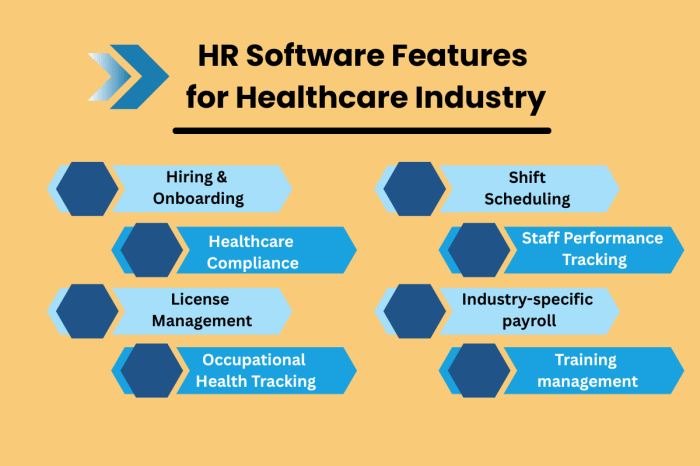
Source: yosuite.com
Modern medical facilities demand the best all-in-one hr platform for healthcare to streamline vital daily staffing operations seamlessly. Just as efficient communication empowers teams, utilizing tools like em client linux bridges digital gaps with striking clarity across workstations. Ultimately, adopting these robust administrative solutions elevates patient care standards and inspires enduring organizational success.
Stepping inside a modern hospital corridor reveals a high-stakes environment where human capital management directly intersects with patient survival. Standard corporate software platforms built for nine-to-five office environments fundamentally collapse under the relentless, round-the-clock demands of the medical sector.
Healthcare institutions operate within an unforgiving ecosystem defined by continuous patient influx, sudden public health emergencies, and strict regulatory mandates. Standard human resource applications simply track basic attendance and PTO, completely ignoring the complex realities of clinical environments. Medical facilities require sophisticated digital architectures designed specifically to navigate the intricate web of patient-to-staff ratios, specialized medical certifications, and multi-tiered clinical hierarchies.
Operational Pressures In Healthcare Shift Rotations And Clinical Licensing
Modern healthcare delivery never sleeps, forcing medical institutions into a perpetual cycle of complex shift scheduling that standard corporate software cannot handle. Hospital administrators must orchestrate continuous 24/7/365 coverage across emergency rooms, intensive care units, and specialized surgical wards while simultaneously accounting for unexpected staff absences, mandatory rest periods, and sudden surges in patient volume. A minor scheduling miscalculation in a single ward can leave critical care units dangerously understaffed, directly threatening patient safety and violating mandated nurse-to-patient ratios.
Compounding this scheduling maze is the rigorous, non-negotiable landscape of clinical licensing and credential tracking. Healthcare professionals operate under a mosaic of state licenses, board certifications, advanced cardiac life support accreditations, and specialized departmental training that expire at varying, unpredictable intervals. Allowing an obstetrician or a specialized oncology nurse to step onto a hospital floor with an expired credential invites catastrophic medical errors, severe legal liabilities, and devastating financial penalties from regulatory bodies like The Joint Commission or the Centers for Medicare and Medicaid Services.
Traditional human resource databases rely on manual spreadsheet updates and periodic human reminders, creating dangerous blind spots where lapsed credentials slip past administrative gatekeepers unnoticed. Furthermore, collective bargaining agreements and complex labor union rules dictate strict seniority preferences, mandatory overtime limits, and precise rest intervals between consecutive shifts. Balancing these contractual obligations manually or through generic software leads to chronic scheduling fatigue, expensive grievance filings, and widespread staff burnout.
When clinical licensing data is disconnected from real-time scheduling modules, administrators frequently assign qualified personnel to incorrect departments or schedule professionals whose certifications do not match the specific high-acuity needs of the incoming shift. Ultimately, healthcare workforce management demands an intelligent, unified digital framework that simultaneously cross-references live shift rosters with verified, active licensing databases before a single schedule is finalized and published to the floor.
Modern medical facilities require the ultimate best all-in-one hr platform for healthcare to protect staff wellness, perfectly matching innovative tools like netprevencion.cloud occupational health software 2026 to streamline vital safety compliance reports. Empowering dedicated clinical teams starts here, making every healing environment thrive through the best all-in-one hr platform for healthcare today.
Comprehensive Operational Comparison Across Workforce Management Pillars
Evaluating specialized medical workforce platforms requires analyzing how different system components manage the core pillars of clinical operations. The following detailed breakdown contrasts the functional capabilities across critical management domains.
Navigating modern medical staffing demands the best all-in-one hr platform for healthcare, ensuring seamless daily operations across bustling clinical environments. Evaluating operational reliability often begins when examining time plus security llc reviews and reputation , which highlights critical benchmarks for protective data management. Ultimately, choosing the right digital infrastructure empowers healing institutions to protect their dedicated workforce while elevating overall patient care standards.
| Management Pillar | Legacy Corporate HR Software | Specialized Healthcare HR Platform | Operational Impact |
|---|---|---|---|
| Nurse Scheduling | Static template-based shift assignments with manual conflict checks. | Automated, rules-based roster generation matching patient acuity and ratios. | Eliminates understaffing risks and ensures optimal bedside care distribution. |
| Credential Tracking | Manual calendar alerts for license renewals and paper document storage. | Real-time automated verification tied directly to state boards and registries. | Prevents unlicensed practice and maintains strict regulatory compliance. |
| Compliance Auditing | Reactive report generation requiring weeks of manual data compilation. | Continuous automated auditing tracking labor laws and safety standards. | Protects institutions from severe fines and accreditation loss. |
| Payroll Syncing | Batch processing prone to errors with complex differential pay rules. | Seamless real-time integration capturing shift differentials and overtime. | Ensures accurate, transparent compensation and boosts staff morale. |
Methods For Eliminating Scheduling Bottlenecks Across Hospital Departments
Hospital administrators systematically dismantle departmental scheduling friction by deploying centralized, data-driven workforce orchestration strategies that replace outdated, siloed departmental calendars. By establishing a unified digital command center, healthcare leaders can view enterprise-wide staffing availability in real-time, allowing surplus personnel in outpatient clinics to be rapidly deployed to high-acuity inpatient units experiencing sudden influxes.
To achieve seamless cross-departmental alignment, health systems implement specific operational workflows that streamline shift allocation and resource distribution.
- Deploying predictive analytics engines that forecast patient census spikes based on historical admission data, weather patterns, and local community health trends to pre-schedule adequate staffing levels.
- Establishing automated shift-bidding mobile applications that empower qualified nurses to voluntarily pick up open shifts across different hospital wings while automatically enforcing mandatory rest hour limits.
- Integrating decentralized department heads into a unified approval workflow, ensuring that shift trades and loan-outs between surgical and emergency units comply instantly with institutional labor policies.
- Configuring hard-stop system blocks that prevent the publication of any shift schedule containing unresolved credential mismatches or impending labor law violations.
Historical Workforce Failures During Seasonal Healthcare Crises
The true cost of inadequate workforce management is laid bare during severe seasonal crises, where legacy systems have historically failed hospital operations with devastating clinical consequences. During the brutal 2017-2018 influenza epidemic, several major metropolitan hospital networks relied on fragmented human resource databases and paper-based shift logs to manage surging emergency room populations. As patient admissions overwhelmed waiting rooms, administrators attempted to mobilize floating nursing pools and schedule emergency overtime shifts using disconnected software tools that lacked real-time visibility into active clinical credentials.
The resulting administrative chaos caused severe operational breakdowns across multiple critical care departments. Due to outdated credential tracking mechanisms, several nurses were inadvertently assigned to high-acuity respiratory wards without verified advanced life support certifications, leading to delayed interventions and compromised patient care delivery. Simultaneously, the lack of an integrated shift-syncing payroll mechanism meant that emergency overtime calculations were performed manually weeks later, resulting in widespread pay discrepancies that severely damaged nursing morale right when staff retention was most critical.
Exhausted charge nurses spent hours on the telephone attempting to fill depleted rosters while navigating complex union rules, pulling them away from direct patient oversight and clinical leadership duties. In one documented mid-sized regional hospital system, these scheduling bottlenecks contributed to a noticeable spike in medication administration errors and extended patient wait times during the peak weeks of the outbreak.
This historical failure starkly demonstrated that when workforce management systems lack the specialized architecture required for fast-paced clinical environments, the breakdown directly compromises the quality and safety of patient care delivery.
Regulatory compliance demands rigorous oversight that generic management portals simply fail to deliver adequately
Healthcare administration operates within a high-stakes ecosystem where ordinary business rules simply do not apply, and standard human resource programs often fall short of the profound regulatory burdens placed on medical facilities. When managing a lifesaving workforce, oversight must transcend simple time-tracking and basic payroll functions to embrace a complex web of healthcare mandates, privacy safeguards, and clinical licensing verifications that protect both patients and institutions from catastrophic liabilities.
Patient privacy laws dictate the absolute necessity of rigorous, multi-layered permission boundaries within medical personnel databases, acting as an invisible yet impenetrable shield around sensitive health information. In the modern healthcare landscape, federal statutes such as the Health Insurance Portability and Accountability Act mandate that every single employee’s access to electronic health records is strictly governed by their specific clinical or administrative role.
A specialized workforce platform must therefore implement dynamic access controls that mirror the exact contours of an individual’s job description, ensuring that nurses, physicians, technicians, and administrative staff only view the precise patient data required to perform their daily duties. Without these granular permission boundaries, a healthcare facility faces severe vulnerabilities, risking accidental data breaches or unauthorized snooping that can compromise patient confidentiality and trigger devastating federal penalties.
Imagine a bustling metropolitan hospital floor where a billing specialist inadvertently opens a psychiatric file, or a dietary aide accesses emergency room triage notes—these scenarios represent critical compliance failures that specialized systems prevent through role-based access architecture. Furthermore, the architecture of these medical databases must maintain immutable audit logs, tracking every single record accessed, modified, or exported by staff members in real time.
These digital footprints provide compliance officers with the undeniable transparency required during federal investigations or unannounced state inspections, transforming what used to be a chaotic paper trail into a streamlined, secure bastion of data integrity.
The onboarding workflow within a medical facility requires absolute precision, demanding that mandatory federal credential validations occur instantaneously and automatically upon every staff member’s hire date to maintain institutional accreditation and patient safety standards.
- Automated primary source verification of active state nursing and medical board licenses to eliminate expired credentials before clinical shifts begin.
- Rigorous cross-referencing against the Office of Inspector General List of Excluded Individuals and Entities to prevent prohibited personnel from billing federal healthcare programs.
- Systematic background screening through the National Practitioner Data Bank to capture any historical malpractice claims, disciplinary actions, or license revocations across all jurisdictions.
- Immediate digital confirmation of mandatory life-support certifications, including Advanced Cardiovascular Life Support and Basic Life Support, matched against institutional privileging matrices.
Maintaining clinical excellence requires continuous education, and the administrative procedures necessary for conducting unannounced internal audits of continuing medical education credits demand meticulous preparation, systematic record-keeping, and proactive oversight to ensure zero gaps in staff competencies. Compliance teams must deploy automated tracking mechanisms that continuously monitor the accumulation of required learning hours for every credentialed professional long before renewal deadlines approach.
During an unannounced internal audit, administrators execute randomized spot-checks across departmental rosters, instantly pulling digital portfolios that verify accredited course completions, attendance certificates, and specialized clinical training hours. This rigorous internal inspection process simulates actual state and federal oversight, allowing facility directors to identify potential compliance drift, missing documentation, or unverified course accreditations before external inspectors cross the threshold. By replacing reactive scrambling with proactive, automated educational audits, healthcare facilities cultivate an enduring culture of safety and regulatory readiness that protects their clinical standing.
Operating a critical care unit with nursing personnel whose professional licenses have lapsed introduces catastrophic legal liabilities, exposing the facility to devastating medical malpractice lawsuits, immediate revocation of federal funding, severe civil monetary penalties, and potential criminal charges for corporate negligence that can permanently shutter healthcare operations.
Clinical burnout mitigation relies heavily upon transparent roster management and fair time off distributions.

Source: framerusercontent.com
Modern healthcare environments demand precision not just in medical interventions, but in the operational architectures that sustain the workforce. When administrative transparency meets empathetic scheduling, the entire ecosystem of patient care stabilizes profoundly. Healthcare professionals navigate high-stakes environments daily, making the predictability and fairness of their operational hours a foundational pillar of institutional resilience.
The operational heartbeat of any medical facility pulses through its roster management systems. Without intelligent distribution of shifts and equitable access to time off, institutions inevitably face cascading failures in staff retention and overall morale. Addressing these systemic vulnerabilities requires moving past legacy spreadsheets into advanced, data-driven platforms designed specifically for the unique pressures of the medical field.
Psychological correlation between chaotic shift patterns and high turnover rates among emergency room nurses
Emergency room nurses operate on the razor’s edge of human endurance, where unpredictable schedules act as a silent catalyst for psychological deterioration. Chronic exposure to erratic shift rotations severely disrupts the human circadian rhythm, triggering a cascade of physiological stress responses that manifest as burnout, emotional detachment, and compassion fatigue. When nurses cannot predict their rest cycles, the brain remains in a perpetual state of hyper-vigilance, fundamentally altering cognitive processing and emotional regulation.
This relentless neurological strain erodes resilience, transforming passionate clinicians into exhausted individuals seeking early retirement or career pivots.
Data from healthcare workforce studies consistently highlight a direct correlation between volatile rostering and staggering turnover metrics within acute care settings. Consecutive night shifts mixed with rapid turnaround times deny nurses the restorative slow-wave and REM sleep essential for emotional processing. Consequently, the psychological weight of critical patient care compounds with chronic sleep deprivation, breeding severe anxiety and depressive symptoms.
Institutions grappling with high resignation rates often overlook this foundational mismatch between biological needs and operational demands. Reversing this trend necessitates immediate structural overhauls that prioritize predictable recovery windows, thereby safeguarding the mental health of frontline defenders and stabilizing institutional workforce continuity.
Specific procedural frameworks empowering physicians to mutual shift swaps without administrative bottlenecks
Empowering medical staff with autonomous scheduling controls fundamentally transforms the cultural dynamics of a hospital. Traditional approval chains often require days of bureaucratic navigation, turning a simple schedule adjustment into an agonizing obstacle course. Modern platforms dismantle these bottlenecks by introducing decentralized, policy-compliant peer-to-peer exchange frameworks. These systems utilize intelligent validation engines that instantly verify credential matching, fatigue limits, and overtime rules before granting a shift transfer.
Implementing a frictionless peer-to-peer exchange protocol involves several distinct operational safeguards to maintain clinical coverage integrity. The following mechanisms ensure autonomy remains safely within regulatory boundaries:
- Automated credential verification matching specialty requirements, ensuring an intensive care physician cannot inadvertently trade with a pediatric resident unless dually certified.
- Real-time tracking of cumulative weekly hours to prevent accidental labor law violations and dangerous consecutive shift accumulation.
- Instantaneous notification pipelines that alert department supervisors of finalized swaps purely for informational oversight rather than manual authorization.
- Built-in fairness algorithms that track annual swap frequency to prevent scheduling exploitation by individuals within the peer network.
By removing human administrative friction, hospitals foster a collaborative environment where professionals can reclaim agency over their personal lives. This newfound flexibility drastically reduces absenteeism, as staff can proactively manage personal emergencies and family milestones without fearing disciplinary repercussions or complex paperwork.
Modern medical facilities require the best all-in-one hr platform for healthcare to streamline vital operations and empower dedicated staff. By leveraging smart insights from twindo.ai solutions page keywords , institutions can completely transform workforce management and elevate patient care. Embracing these advanced digital tools ultimately secures a brighter, more efficient future for the entire healthcare community.
Advanced algorithmic fatigue tracking protecting hospital staff and vulnerable patients from exhaustion errors
Human error in medicine often traces back to cumulative cognitive fatigue rather than technical incompetence. Advanced workforce platforms now integrate sophisticated predictive algorithms modeled on validated scientific research, such as the SAFTE model, to quantify real-time fatigue levels among clinical staff. These systems continuously ingest data points including shift duration, time of day, circadian dips, and preceding rest intervals to generate individual risk scores.
When a clinician’s fatigue index crosses predefined safety thresholds, the platform proactively intervenes.
Predictive fatigue management transforms patient safety from a reactive investigation into a proactive, data-driven shield against cognitive overload.
The integration of these algorithms creates a protective barrier for both the healthcare provider and the vulnerable patient lying in the hospital bed. Major academic medical centers deploying predictive rostering have recorded measurable drops in medication administration errors and procedural near-misses. The software acts as an objective sentinel, ensuring that no clinician is permitted to step onto a high-acuity ward while operating under dangerous cognitive deficits.
Visual scenario of a senior surgeon reviewing an intuitive mobile dashboard to approve vacation days from a surgical lounge
Soft filtered daylight spills through the tall, arched windows of the hospital’s surgical lounge, illuminating the polished mahogany surfaces and the quiet murmur of resting medical professionals. In the corner, a senior cardiothoracic surgeon sits comfortably in a plush leather armchair, still wearing blue scrubs from a morning triple bypass procedure, holding a sleek, dark-slate tablet device. The high-definition screen displays a clean, minimalist interface utilizing a sophisticated emerald and slate-grey color palette, characteristic of enterprise-grade healthcare management software.
With a gentle swipe of an index finger, the surgeon navigates a visual calendar heatmap that highlights departmental staffing densities across the upcoming summer months. The dashboard instantly surfaces a pending vacation request from a junior resident, accompanied by an automated green compliance indicator confirming that adequate departmental coverage remains intact regardless of the approval. A subtle haptic feedback pulse confirms the action as the surgeon taps a bold authorization button, seamlessly routing the approved leave directly into the hospital-wide master roster without a single paper form or face-to-face administrative meeting.
Onboarding newly graduated medical professionals requires an intricate web of mentorship tracking and safety indoctrination.
Stepping through the glass sliding doors of a bustling metropolitan trauma center for the very first time, a newly graduated resident doctor immediately feels the relentless, high-stakes pulse of the emergency department. The air carries the faint scent of sterile antiseptics mingled with the quiet urgency of overhead paging systems echoing down brightly lit corridors. This initial transition marks the delicate crossroad where rigorous academic theory finally collides with the chaotic, life-and-death reality of modern clinical practice.
Healthcare institutions carry the profound responsibility of transforming these eager, caffeine-fueled minds into resilient, highly synchronized healing forces without breaking their spirit under the heavy weight of early clinical pressures.
Modern hospital administration recognizes that a well-structured integration framework serves as the ultimate shield against early career attrition and clinical errors. By deploying sophisticated, all-in-one human resource architectures, medical centers can seamlessly orchestrate the multifaceted arrival of incoming physicians, ensuring no critical compliance milestone gets overlooked in the daily rush. This digital transformation breathes new life into age-old bureaucratic hurdles, turning a traditionally grueling administrative nightmare into an inspiring, empowering launchpad for tomorrow’s leading healthcare providers.
Multi-Phase Integration Journey for Resident Doctors
Entering the fast-paced ecosystem of an urban trauma center demands a meticulously engineered, multi-phase progression that safeguards both incoming physicians and vulnerable patients. The journey begins weeks before the first official shift, starting with digital orientation modules that decode the complex hospital hierarchy and internal communication protocols. Upon arrival, the experience shifts from virtual classrooms to high-fidelity simulation laboratories where residents face hyper-realistic trauma scenarios, testing their rapid decision-making under the watchful eyes of veteran practitioners.
This foundational phase intentionally bridges the psychological gap between textbook medicine and the visceral reality of emergency resuscitation.
As the weeks progress, the integration deepens into supervised clinical rotations where incoming doctors are embedded directly within multidisciplinary care teams. Mentorship tracking becomes the invisible backbone of this stage, pairing fresh graduates with seasoned attending physicians who act as both clinical anchors and psychological sanctuaries during emotionally taxing shifts. Real-time feedback loops powered by advanced workforce software allow administrators to monitor fatigue levels, procedure counts, and competency milestones continuously.
By combining rigorous safety indoctrination with compassionate peer support, the hospital successfully cultivates an environment where clinical excellence thrives alongside personal well-being, paving the way for sustainable, lifelong medical careers.
The operational orchestration of welcoming new medical staff relies on a synchronized matrix of logistical deployments. Below is an overview of the core provisioning categories required to safely integrate incoming personnel into the hospital ecosystem.
| Safety Briefings | Uniform Issuance | Badge Access Provisioning | Mentor Pairing |
|---|---|---|---|
| Mandatory OSHA compliance, infection control protocols, and hazardous material handling modules. | Fitting and distribution of antimicrobial scrubs, lab coats, and specialized protective footwear. | Programming RFID credentials for secure entry into restricted zones like ICUs, pharmacies, and surgical suites. | Strategic assignment of seasoned attending physicians to guide clinical decision-making and wellness. |
Evaluation Protocols for Foreign-Trained Medical Technicians
Assessing the clinical competency of internationally educated and trained medical technicians requires a standardized, objective framework that respects diverse educational backgrounds while rigidly upholding local medical standards. Supervisors must look beyond traditional paper credentials by implementing standardized direct observation tools, such as the Objective Structured Clinical Examination, tailored specifically to the high-velocity demands of domestic emergency departments. These practical evaluations test critical technical proficiencies, including advanced life support techniques, sterile field maintenance, and precise diagnostic equipment handling, ensuring that every technician meets the uncompromised safety benchmarks of the facility.
To maintain absolute fairness and transparency, clinical directors utilize multi-source feedback mechanisms that aggregate performance evaluations from senior nurses, attending physicians, and departmental peers who work alongside the incoming technician daily.
Clinical competency is never proven through a single examination, but rather through consistent, safe, and empathetic execution under pressure.
Supervisors should establish structured weekly calibration meetings to review these performance metrics collaboratively, identifying specific areas that may require supplemental training or targeted remediation. This proactive evaluation methodology protects patient safety, respects the professional dignity of foreign-trained experts, and fosters a culture of continuous professional growth across the entire healthcare enterprise.
Secure Digitization Methods for Physical Immunization Records
Converting decades of paper-based immunization archives, tuberculosis screening cards, and vaccination histories into secure digital formats represents a monumental logistical challenge for hospital human resource departments. To execute this massive archival migration without violating stringent healthcare privacy regulations like HIPAA, medical facilities must deploy end-to-end encrypted document management portals equipped with optical character recognition technology. Administrative teams systematically scan physical files within dedicated, secure rooms where external network access is restricted, ensuring that sensitive personal health information remains entirely insulated from potential cyber vulnerabilities during the conversion process.
Once digitized, these vital health records are stored within decentralized, role-based access cloud repositories where viewing permissions are strictly granted only to authorized occupational health nurses and compliance officers. Advanced audit trails automatically log every single interaction with an employee’s medical file, creating an immutable digital footprint that deters unauthorized internal browsing and satisfies rigorous federal oversight standards. By replacing overflowing metal filing cabinets with fortified digital vaults, healthcare institutions not only reclaim valuable physical space but also guarantee instantaneous retrieval of employee health credentials during unexpected health authority inspections or outbreak investigations.
Financial remuneration within the healing arts involves complex incentive structures that standard accounting engines cannot parse.
Navigating the compensation landscape for modern healthcare institutions resembles untangling an intricate tapestry of clinical shifts, emergency interventions, and regulatory mandates. Traditional corporate payroll software falls short when confronted with the dynamic reality of hospital environments, where a single clinician’s paycheck might weave together baseline wages, hazardous duty allowances, and overlapping multi-tiered shift differentials. Behind every life saved lies a meticulous, albeit agonizingly complex, mathematical equation designed to fairly compensate medical professionals for their unwavering dedication and sacrifice.
Modern healthcare facilities urgently require specialized financial algorithms capable of instantly decoding the labyrinth of medical labor agreements, union contracts, and federal labor standards. When a nurse practitioner covers an unexpected overnight trauma shift during a holiday weekend, standard accounting tools often miscalculate the compounding effect of concurrent multipliers. Advanced workforce platforms bridge this critical gap, transforming chaotic ledger entries into a harmonious symphony of precise calculations that honor the true economic value of frontline healthcare heroes.
Mathematical intricacies of calculating simultaneous clinical incentives
The mathematical reality of hospital payroll processing demands an unprecedented level of computational sophistication that ordinary enterprise resource planning software simply cannot deliver. When computing compensation for a healthcare professional working under overlapping incentive policies, the architecture of the calculation must prevent wage compression while strictly adhering to federal Fair Labor Standards Act guidelines. Standard systems typically apply overtime multipliers sequentially or additively, whereas clinical environments often require compounding or tiered multiplicative logic to accurately reflect the true burden of high-acuity care.
Consider the precise algorithmic journey required to evaluate a weekend shift carrying both hazard pay and an active on-call stipend. If a critical care nurse logs twelve hours on a Sunday during a declared facility emergency while simultaneously holding an active paging device, the engine must execute a multi-layered evaluation.
Base Hourly Rate (R) multiplied by Standard Weekend Differential Factor (W), plus Hazard Multiplier (H) applied concurrently with prorated On-Call Readiness Stipend (S), yielding the adjusted gross hourly compensation vector: Total Compensation = [R × (1 + W + H)] + (S / Total Hours Active).
This formulation ensures that financial rewards scale proportionately with physiological fatigue and personal disruption. For instance, in level-one trauma centers across metropolitan regions, failing to parse these concurrent variables leads to systemic wage underreporting, driving clinician turnover and regulatory scrutiny. Advanced platforms execute these matrix calculations in real-time, cross-referencing biometric punch-in timestamps with active institutional emergency declarations to eliminate manual spreadsheet errors.
Automated bonus distribution methodologies for zero-error medication administration cycles
Fostering an institutional culture of absolute patient safety requires incentive models that actively recognize and reward flawless clinical execution, particularly within high-stakes pharmaceutical workflows. Implementing automated bonus payouts tied directly to verified medication administration cycles transforms passive compliance into an active, highly motivated pursuit of zero-defect patient care. Healthcare administrators leverage structured incentive frameworks to acknowledge the meticulous verification steps undertaken by clinical staff prior to bedside drug delivery.
Reward disbursement engines must operate transparently and objectively, relying on immutable audit trails generated by bedside barcode scanning and electronic health record integrations. The following methodologies represent proven frameworks deployed within leading medical centers to distribute performance-based financial acknowledgments safely and effectively:
- The continuous streak milestone methodology calculates uninterrupted sequences of correct medication administrations over a rolling thirty-day period, automatically appending a tiered financial bonus to the bi-weekly paycheck upon reaching specific threshold multipliers.
- The peer-verified safety pool allocates a distinct monthly bonus pool to nursing units that maintain zero medication discrepancies, utilizing decentralized voting algorithms where colleagues validate adherence to double-check protocols for high-alert medications.
- The real-time catch-and-correct reward system immediately distributes micro-incentives to clinicians who successfully identify and intercept pre-dispensing pharmacy errors, reinforcing proactive vigilance at the critical juncture before administration.
- The annual pharmacological precision endowment evaluates cumulative yearly administration data, granting substantial lump-sum bonuses and professional development stipends to practitioners who achieve a statistical outlier status in error-free delivery metrics.
Comparative analysis of hourly wage models versus salaried clinician compensation packages
Evaluating the financial architecture of healthcare employment requires a granular examination of how different compensation structures impact organizational stability, clinician well-being, and labor cost predictability. The table below Artikels the core operational contrasts between hourly wage models and comprehensive salaried clinician packages within contemporary medical facilities.
| Evaluation Metric | Hourly Wage Model | Salaried Clinician Package |
|---|---|---|
| Overtime Compensation | Strictly regulated time-and-a-half or double-time calculations triggered automatically after forty weekly hours. | Exempt status with fixed baseline compensation; often supplemented by relative value unit productivity bonuses. |
| Shift Flexibility Impact | Direct financial correlation where missed shifts immediately reduce gross earnings and extra shifts increase labor expenditures. | Predictable monthly overhead for facility budgeting, requiring robust administrative tracking to prevent burnout from uncompensated over-allocation. |
| On-Call Integration | Requires complex hourly standby rates combined with active call-back minimum guarantees and emergency multipliers. | Frequently absorbed into base professional agreements, occasionally offset by departmental call-pool revenue-sharing agreements. |
| Administrative Overhead | High reliance on precise time-clock auditing, manual shift-differential verification, and frequent exception approvals by nurse managers. | Streamlined payroll processing requiring semi-annual or quarterly productivity reconciliations rather than bi-weekly punch-card analysis. |
Visual layout design for complex retroactive pay adjustments on night-shift pharmacist statements
Decoding retroactive pay adjustments for night-shift clinical pharmacists requires a visual earnings statement layout that demystifies intricate multi-month financial reconciliations. When union negotiations or market-rate adjustments alter historical shift differentials months after the hours were logged, standard pay stubs often induce confusion and distrust due to compressed, unreadable line items. A thoughtfully architected digital earnings statement replaces opaque arithmetic with an intuitive, chronological visualization that walks the recipient through every layer of the recalculation.
The visual presentation utilizes a modular dashboard structure divided into distinct, color-coded horizontal bands that guide the viewer from high-level summaries down to granular mathematical proofs. The uppermost tier features a prominent summary widget displaying the net retroactive deposit, immediately contextualized by a trend graph comparing the original earnings against the newly adjusted figures. Below this executive summary, the statement unfolds into an interactive tabular breakdown where each affected pay period is represented as an expandable row, housing the historical baseline wages, the recalculated night-shift differential multipliers, and the exact differential amount owed.
To eliminate ambiguity regarding hazard classifications and overnight stipend adjustments, a dedicated side panel utilizes a visual heat map to highlight the specific dates and hours where retroactive enhancements were applied. Hovering over any specific date reveals a pop-up transparency window displaying the exact algebraic formula used, including the base rate, the prior differential paid, the newly mandated differential rate, and the resulting positive variance.
This meticulous visual hierarchy ensures that healthcare professionals can instantly verify their compensation accuracy, reinforcing institutional trust and eliminating the administrative burden of payroll dispute resolution.
Interdepartmental communication breakdowns often originate from siloed personnel databases that block cross-specialty collaboration.

Source: hrforhealth.com
Within the high-stakes environment of modern healthcare, invisible walls frequently divide departments, trapping critical knowledge inside isolated software ecosystems. When laboratory technicians and surgical teams rely on disconnected records, patient care stumbles through dangerous operational blind spots. Transforming this fragmented landscape requires a cohesive digital architecture that dissolves historical boundaries and fosters seamless, real-time collaboration across every tier of the medical institution.
Unified communication channels serve as the vital operational bridge connecting precision-focused laboratory technicians with fast-paced surgical units. Historically, diagnostic results languished in isolated queues, requiring frantic phone calls and manual status checks that drained valuable minutes from critical procedures. A consolidated personnel and data ecosystem allows immediate, secure messaging tied directly to patient files, ensuring that urgent blood work analyses populate surgical dashboards the exact moment they are finalized.
This integration eradicates the friction of manual handoffs. Laboratory professionals gain visibility into upcoming surgical schedules, allowing them to proactively prioritize rare blood typings and specialized tissue cultures. Simultaneously, surgeons no longer hunt through disparate directories to find the on-call pathologist; the platform dynamically routes inquiries based on real-time shift rosters and specialty credentials. By merging these distinct workflows into a single interface, medical facilities transform reactive communication into a proactive, synchronized symphony of patient-centered care.
The reduction in administrative friction directly correlates with shortened operative delays and elevated safety margins, proving that connected databases are just as vital to patient survival as advanced surgical hardware.
Emergency broadcast protocols deployed during health crises
Rapid response coordination during community-wide health emergencies demands instantaneous dissemination of verified instructions to thousands of personnel dispersed across sprawling medical campuses. Automated multi-channel alert systems ensure that life-saving directives bypass standard inbox congestion and reach every active responder simultaneously.
- Instantaneous cascading alerts transmitted via SMS, encrypted desktop pop-ups, and overhead paging systems to guarantee zero drop rates during critical mass-casualty incidents.
- Automated acknowledgment tracking that requires clinical staff to confirm receipt of emergency protocols, instantly highlighting unreached personnel for manual override by floor supervisors.
- Dynamic role-based targeting that broadcasts specific evacuation or triage instructions exclusively to relevant departments, preventing panic and network congestion.
- Integrated geo-fencing capabilities that automatically notify off-duty personnel living within a specific radius of the facility to report for emergency reserve shifts.
Technical parameters required for syncing personnel directories across distinct hospital wings and off-site urgent care clinics
Maintaining absolute data integrity across multiple physical locations requires robust synchronization frameworks capable of handling high transaction volumes without latency. Healthcare networks operate under stringent compliance mandates, meaning data transit between satellite urgent care centers and main campus servers must adhere to strict encryption and redundancy standards.
Enterprise platforms utilize advanced directory synchronization protocols, primarily leveraging lightweight directory access architecture combined with secure application programming interfaces. This technical synergy ensures that credentials, medical licenses, and shift availability updates executed at a remote outpatient clinic reflect instantly on the main hospital’s master roster. Real-time conflict resolution algorithms automatically manage simultaneous updates, preventing data corruption when personnel modify their profiles concurrently across different networks.
Furthermore, end-to-end Transport Layer Security shields all transmitted metadata from interception, satisfying federal privacy regulations while maintaining sub-second response times for credential verification.
Operational synchronization across distributed medical campuses is not merely an IT achievement, but a fundamental prerequisite for eliminating clinical latency and safeguarding patient outcomes during high-pressure interventions.
Centralized digital whiteboards coordinating incoming trauma teams
Bright, glowing ultra-high-definition displays dominate the central command hub of the emergency trauma center, casting a cool azure illumination over the frantic yet meticulously choreographed dance of medical professionals below. As an inbound ambulance races toward the bay, the central digital whiteboard pulses with amber updates, streaming live telemetry and vital signs directly from the vehicle into the hospital’s core network.
Specialized trauma surgeons, emergency nurses, respiratory therapists, and blood bank coordinators watch the dynamic interface simultaneously, tracking the patient’s estimated time of arrival down to the exact second. The board automatically assigns roles based on the incoming trauma classification, highlighting pre-checked skill certifications and current availability statuses pulled straight from the unified personnel database. Gone are the days of chaotic shouting matches and illegible handwritten notes on physical glass boards; every action item, medication dosage, and imaging requirement is color-coded, timestamped, and digitally signed by the attending physician.
This visual nerve center anchors the chaos of crisis management, translating raw, incoming medical data into a tranquil, orderly sequence of life-saving interventions that maximizes efficiency and preserves precious human life.
Continuous professional development tracking ensures that clinical competency evolves alongside breakthrough medical technologies.: Best All-in-one Hr Platform For Healthcare

Source: yomly.com
Inside the brightly lit corridors of modern medical institutions, the relentless pulse of healthcare innovation demands an equally dynamic workforce. Keeping pace with cutting-edge pharmacological treatments, robotic surgical advancements, and digital health records requires an airtight ecosystem for monitoring ongoing education. When clinical teams harness an intelligent all-in-one human resources platform, tracking continuous professional development transforms from a chaotic administrative scramble into a streamlined engine of clinical excellence.
This vital infrastructure bridges the gap between raw medical talent and the stringent mastery required to protect vulnerable human lives every single day.
Advanced healthcare human resources architectures serve as the invisible backbone supporting thousands of dedicated practitioners. By automating the verification of continuing education units and clinical competencies, these platforms liberate medical directors from endless paperwork, allowing them to redirect their focus toward patient care quality and multidisciplinary team synergy. Ultimately, nurturing a culture of continuous learning fortifies the entire health system against obsolescence.
Administrative burden of monitoring mandatory life support certifications for thousands of hospital employees, Best all-in-one hr platform for healthcare
Visualizing the sheer scale of workforce administration in a major metropolitan hospital reveals a sprawling metropolis of shifting schedules, overlapping shifts, and high-stakes credentials. Imagine the bustling command center of a regional trauma hub where human resources professionals sit before cascading digital dashboards, wrestling with the colossal responsibility of tracking Advanced Cardiovascular Life Support and Pediatric Advanced Life Support accreditations for over five thousand staff members.
Every individual nurse, respiratory therapist, and emergency physician operates under a strict timeline of mandatory renewals, creating an endless wave of compliance tracking that never truly sleeps. A single missed expiration date can trigger severe regulatory penalties, compromise hospital accreditation, and jeopardize patient safety in high-acuity environments.
The manual oversight of these life support credentials has historically bogged down administrative departments, consuming countless hours in endless email threads, frantic phone calls, and manual spreadsheet auditing. When human resources teams rely on fragmented legacy software, they are forced to manually cross-reference training attendance logs with individual employee files across disparate hospital wings. This archaic method invites human error, frequently resulting in last-minute scramble drills where clinical staff must be pulled abruptly from active rotations to fulfill urgent certification requirements.
Such disruptions ripple across the entire facility, intensifying shift shortages, inflating overtime expenditures, and elevating workplace stress levels among exhausted medical professionals. Transitioning to a centralized, automated tracking architecture eliminates these systemic vulnerabilities by providing real-time visibility into enterprise-wide compliance metrics before crises emerge.
Proactive credential oversight transforms compliance from a reactive scramble into a seamless pillar of operational resilience.
Systematic approaches for linking staff attendance at specialized medical seminars directly to annual performance reviews
Bridging the gap between external educational achievements and internal career advancement requires a formalized methodology that recognizes dedication to clinical mastery. Healthcare institutions achieve remarkable cultural transformation when they integrate attendance logs from specialized medical seminars directly into annual performance evaluations. This alignment signals to the nursing and physician staff that continuous education is not merely a bureaucratic checkbox, but a core institutional value rewarded through structured career progression.
- Automated attendance ingestion modules capture verified digital badges and certificate uploads instantly from accredited seminar providers without manual data entry.
- Competency-based weighting algorithms assign specific performance points to advanced training sessions, directly influencing annual merit increases and promotion eligibility.
- Cross-departmental analytics dashboards correlate seminar participation metrics with patient outcome improvements to measure the tangible return on educational investments.
- Transparent feedback loops allow clinical managers to review seminar takeaways during performance evaluations, mapping acquired skills directly to departmental strategic goals.
Skill progression mapping across clinical career milestones
Establishing clear trajectories for professional growth requires structured frameworks that guide practitioners from initial onboarding through advanced specialization. The following matrix Artikels the standardized phases of skill acquisition, verification protocols, automated warning thresholds, and institutional support mechanisms designed to maintain elite clinical readiness across all hospital departments.
| Skill Acquisition Timeline | Verification Testing Protocol | Expiration Warning Threshold | Renewal Subsidy Structure |
|---|---|---|---|
| Initial Onboarding (Months 0-3) | Supervised clinical simulations and written board evaluations | 90 days prior to initial credential issuance | Full institutional tuition coverage for primary certifications |
| Core Practice Mastery (Months 4-24) | Direct observation by attending physicians and peer review panels | 60 days before annual skills validation deadline | Partial reimbursement up to eighty percent for specialized workshops |
| Advanced Specialization (Years 2-5) | Complex case studies and advanced procedural practical examinations | 120 days prior to multi-year board re-certification | Comprehensive fellowship grants and paid educational leave days |
| Expert Leadership (Years 5+) | Peer-reviewed research contribution and departmental clinical audits | 180 days ahead of master-tier credential expiration | Full executive education sponsorship and conference travel stipends |
Proactive license renewal reminders preventing sudden staff shortages in specialized pediatric intensive care units
Inside the fragile ecosystem of a specialized pediatric intensive care unit, maintaining optimal nurse-to-patient staffing ratios is a matter of profound urgency. When a veteran pediatric specialist faces an unexpected administrative suspension due to an overlooked state medical license renewal or an expired advanced airway management credential, the operational shockwave is immediate and perilous. Pediatric critical care environments cannot simply absorb sudden staffing deficits without compromising the attentive, round-the-clock monitoring that vulnerable infants and children desperately require.
Automated intelligence within modern human resources platforms acts as an uncompromising guardian, neutralizing these threats long before they materialize on the hospital floor.
By deploying multi-tiered, proactive notification workflows, the platform engages clinicians through automated email alerts, mobile push notifications, and direct managerial escalations starting six months ahead of any credential expiration date. For instance, at a leading children’s medical center in Chicago, the integration of an automated license-tracking module reduced critical compliance gaps by ninety-four percent within the first year of deployment.
The system automatically cross-references state licensing board databases in real time, alerting both the practitioner and the pediatric unit supervisor to impending renewals well in advance of scheduling deadlines. This foresight enables human resources to arrange coverage, schedule renewal courses, and process paperwork seamlessly, ensuring that the pediatric intensive care unit remains fully staffed with fully authorized, confident medical experts ready to perform at their absolute best.
Final Thoughts

Source: com.pk
Ultimately, embracing a unified operational future allows medical institutions to transcend traditional administrative friction and focus entirely on their ultimate mission of healing. When technology seamlessly protects both the dedicated caregivers and the vulnerable individuals they serve, every heartbeat within the facility resonates with newfound security and profound hope.
